
Attorney fees & costs.
“I can’t afford to fight; my spouse controls the money.” Colorado’s fee-shifting statute exists for that situation: the court can order one spouse to fund the other’s representation so both sides are heard. Fees are also awarded for bad conduct, and every fee decision is made on a record of income, need and behavior.
- 01Three things that decide the fee award
- 02What it means for planning
- 03Funding the case while it runs
- 04When conduct, not need, drives the award
- 05How the number is actually tested
- →What people ask first
Talk to us about your case.
303-507-5529One call. A real person picks up, hears you out, and tells you how we would handle what you are facing and what to do first. No phone tree, no sales pitch, no obligation. Your first conversation is with our intake paralegal, who will get you to Aaron fast.
Rather write? Send a short note and during business hours we call you back within the hour.
The level-playing-field statute.
Under C.R.S. § 14-10-119, after considering the financial resources of both parties, the court may order one party to pay a reasonable amount of the other’s fees and costs — including for work done before filing and after judgment, payable directly to the attorney. The Colorado Supreme Court has explained the premise: like maintenance, a fee award exists so the lesser-earning spouse can litigate without undue economic hardship, standing on something like equal footing. It is equitable, not punitive — and it applies before the decree, at permanent orders, and in post-decree litigation.
The premise, in the Colorado Supreme Court’s words, is that a fee award, like maintenance, exists so the lesser-earning spouse can litigate without undue economic hardship.

Three things that decide the fee award.
Courts can advance prospective fees and expert costs during the litigation, and appellate decisions have upheld six-figure advances covering counsel and the appraisal work needed to value one spouse’s property. Where one spouse controls the balance sheet, an early, well-supported interim fee motion is the first move.
§ 13-17-102 mandates fees against a party or attorney whose position was substantially frivolous, groundless or vexatious, or who unnecessarily expanded the proceeding, discovery abuse included. Incomplete or late disclosures under Rule 16.2 draw their own sanctions.
Hours reasonably expended times a reasonable rate, refined by the professional-conduct factors and apportioned by the parties’ circumstances. Requests survive on contemporaneous, specific billing records; block-billed entries and clerical work at attorney rates get cut.
What it means for planning.

If you are the moneyed spouse, a fee award belongs in the budget from the first conversation. If you are not, it belongs in the first motion, with the numbers that show the disparity. Either way, the discipline that wins fee litigation, clean bills and proportionate work, is the same discipline that wins the case.
Funding the case while it runs.
Colorado courts have authority to advance prospective fees and costs during the litigation to diminish the advantage one spouse holds over the other — and that includes expert costs. Appellate decisions have upheld six-figure advances covering both counsel and the appraisal work needed to trace and value one spouse’s significant property. In a case where one spouse controls the balance sheet, an early, well-supported interim fee motion is often the single most consequential filing of the first ninety days.
When conduct, not need, drives the award.
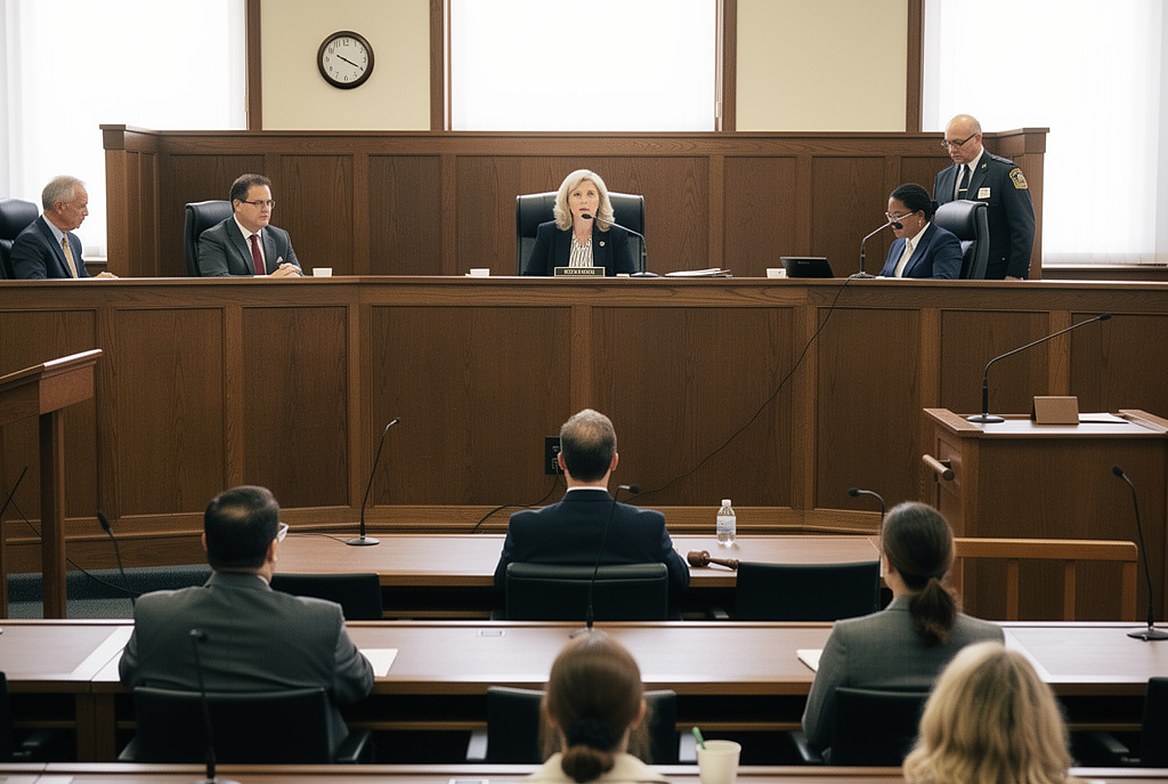
A second, sharper statute runs alongside: C.R.S. § 13-17-102 mandates fee awards against a party or attorney whose position was substantially frivolous, groundless, or vexatious, or who unnecessarily expanded the proceeding — including through discovery abuse. Colorado’s mandatory-disclosure rule carries its own teeth: courts have considerable discretion to sanction incomplete or late disclosures under C.R.C.P. 16.2. Both tracks can operate in the same case. The practical lesson cuts both ways: litigation conduct has a price, and a spouse facing scorched-earth tactics is not without recourse.
How the number is actually tested.
Courts test fees against the lodestar — hours reasonably expended times a reasonable hourly rate — refined by the factors in the Rules of Professional Conduct and then apportioned by the parties’ relative financial circumstances. The requests that survive scrutiny are built on contemporaneous, specific billing records; block-billed and vague entries get cut, and clerical work billed at attorney rates does not hold. Fee litigation is won with evidence, not adjectives — affidavits, records, and where contested, testimony.
What I tell every client about fees.
Five things, before the first bill.

- Ask early if you need the other side to fund the case.
Interim fees are ordered so both spouses can be represented while the case runs. The motion is made at the start, with the sworn financial statements.
- Fees follow conduct, too.
A spouse who hides assets, withholds time or litigates in bad faith can be ordered to pay the other side’s fees. Keep your own conduct clean.
- Know what the case costs.
Experts, a forensic accountant, an evaluator. A budget at the start is the difference between a case that is run and one that runs you.
- Fees are not a weapon.
Running up the other side’s costs to force a settlement is the fastest way to be ordered to pay them.
- A consultation, then a retainer.
Call my office to set the consultation. I explain how the retainer works before you sign anything.
Colorado treats legal fees as part of the economics of the divorce. Plan for them the way you plan for the division.
Start with a confidential conversation: tell me what is at stake →
The questions people ask about fees.
My spouse controls all the money. How am I supposed to pay a lawyer?
Colorado’s fee-shifting statute exists for exactly that situation. After considering the financial resources of both parties, the court may order one spouse to pay a reasonable amount of the other’s attorney fees and costs, including fees for work done before the filing and after the judgment, payable directly to the lawyer. The award is equitable, not punitive: its purpose is to let the lesser-earning spouse litigate without undue economic hardship, on something like equal footing. The motion is made at the start of the case, with the sworn financial statements that show the disparity.
Can the court order fees before the case is over?
Yes. Colorado courts can advance prospective fees and costs while the case is pending, and that includes expert costs; appellate decisions have upheld six-figure interim awards covering counsel and the appraisal work needed to value one spouse’s property. Where one spouse controls the balance sheet, an early, well-supported interim fee motion is often the most consequential filing of the first ninety days.
Does the loser pay the winner's fees in a Colorado divorce?
No. Colorado is not a loser-pays state in family cases. Fees shift on two grounds only: need, under the statute that lets the court equalize the parties’ ability to litigate, and conduct, under the statute that requires fees against a party or lawyer whose position was substantially frivolous, groundless or vexatious, or who unnecessarily expanded the proceeding. Winning an issue does not by itself earn fees.
My spouse is running up my legal bills with motions and discovery games. Is there anything I can do?
Yes. The fee statute for conduct is mandatory, not discretionary: a party or attorney whose position was substantially frivolous, groundless or vexatious, or who unnecessarily expanded the proceeding, including through discovery abuse, is ordered to pay the other side’s fees. Incomplete or late disclosures under the mandatory-disclosure rule draw their own sanctions. Both tracks can run in the same case, and the record of the other side’s conduct is built from the first filing.
How does the judge decide how much a fee award should be?
By the lodestar: hours reasonably expended times a reasonable hourly rate, refined by the factors in the Rules of Professional Conduct and then apportioned by the parties’ relative financial circumstances. Requests survive on contemporaneous, specific billing records. Block-billed or vague entries get cut, clerical work billed at attorney rates does not hold, and fee litigation is won with affidavits and records, not adjectives.
Can I be ordered to pay my spouse's fees if I earn more?
Yes, and if you are the higher earner it belongs in the budget from the first conversation. The court looks at both spouses’ financial resources, including what each was awarded in the division, and a fee award can be made at temporary orders, at permanent orders and in post-decree litigation. It is not a penalty; it is part of the economics of the case.
Can I get fees for a motion after the divorce, like a modification or an enforcement?
Yes. The fee statute applies to post-decree litigation, and the conduct statute applies to any frivolous or vexatious position. A parent who has to enforce an order the other parent ignored, or who defends a groundless motion to restrict parenting time, has a fee claim, and the motion-to-restrict statute itself shifts fees to the parent whose motion was substantially frivolous.
What does a consultation with you cost, and how does the retainer work?
The consultation is a paid working session; call my office and they will tell you the fee and get you on the calendar. If we go forward, I explain how the retainer works before you sign anything, and we build a budget for the case at the start: experts, a forensic accountant, an evaluator if the case will have one. A budget at the start is the difference between a case that is run and one that runs you.
Where to go next.
The next page in this chapter, the pages that belong with it, and the blog posts on the same question.
From the blog, on this topic
Where a divorce can be filed, where the money can be decided, and where the children's case belongs are three different questions. Colorado's 91-day domicile…
Sept 16, 2026Colorado's New Child Support Law: What Changed on March 1, 2026Colorado rebuilt child support on March 1, 2026: a schedule that now runs to $40,000 a month, a credit for every overnight in place of the 93-night cliff, a…
Sept 15, 2026What Mediation Does in a Colorado Divorce, and What It Cannot DoNearly every Denver-area court sends divorcing spouses to mediation before a contested hearing. How a session actually runs, what makes it work, what it cannot…
If your spouse controls the money, the court can make them fund both sides. Let’s ask.
A consultation is a working session, in person in Greenwood Village or by video: we go through your situation and I tell you what I would do. Your note reaches my office directly; during business hours we call you back within the hour, run the conflicts check, and set the meeting.
Talk to us about your case.
303-507-5529One call. A real person picks up, hears you out, and tells you how we would handle what you are facing and what to do first. No phone tree, no sales pitch, no obligation. Your first conversation is with our intake paralegal, who will get you to Aaron fast.
Rather write? Send a short note and during business hours we call you back within the hour.