
Common law marriage.
Colorado still recognizes marriage without a license, so the first fight in some cases is whether a marital estate exists at all. The test looks at what the couple intended and how they held themselves out: the joint return, the lease, the beneficiary forms, the way they introduced each other. The evidence decides it, and so does the paper that prevents it.
- 01Three things that decide these cases
- 02Hogsett changed the frame
- 03Intent is proven with paper and witnesses
- 04I take these cases from either chair
- 05For the unmarried and successful, clarity…
- →What people ask first
Talk to us about your case.
303-507-5529One call. A real person picks up, hears you out, and tells you how we would handle what you are facing and what to do first. No phone tree, no sales pitch, no obligation. Your first conversation is with our intake paralegal, who will get you to Aaron fast.
Rather write? Send a short note and during business hours we call you back within the hour.
A fight worth everything before it is worth anything.
If a common law marriage exists, everything acquired during it is presumptively on the table — the business, the appreciation, maintenance, the entire architecture of divorce law. If it doesn't, the parties are unmarried, and property follows title. No other single question in family law swings outcomes this completely, which is why these cases are litigated with the intensity of the fortunes riding on them.
Colorado is one of the few states that still recognizes marriage without a license or ceremony, so the first fight in some cases is not how to divide the estate but whether a marital estate exists at all.
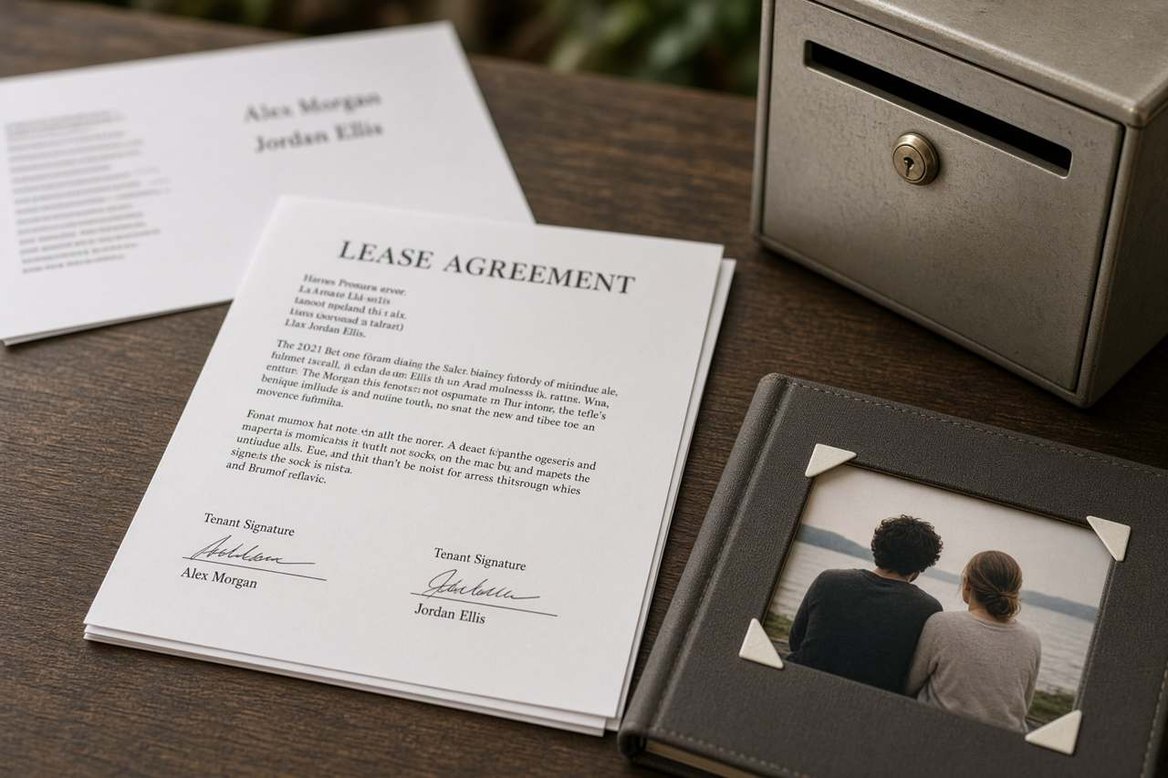
Three things that decide these cases.
In Hogsett v. Neale (Colo. 2021) the Colorado Supreme Court refined the test: a common law marriage exists when the parties mutually agreed to enter a marital relationship and their conduct manifested that agreement. The old checklist, cohabitation, joint accounts, a shared name, is evidence, but no single factor is required.
Beneficiary designations, insurance enrollments, tax filings, deeds and leases, how the couple introduced each other, what family and friends observed. Each item is small; the accumulation is the case.
Sometimes my client needs to establish the marriage; sometimes to defeat a relationship being retroactively upgraded to marriage because a business became valuable. The analysis is identical; only the advocacy points in different directions.
Hogsett changed the frame.
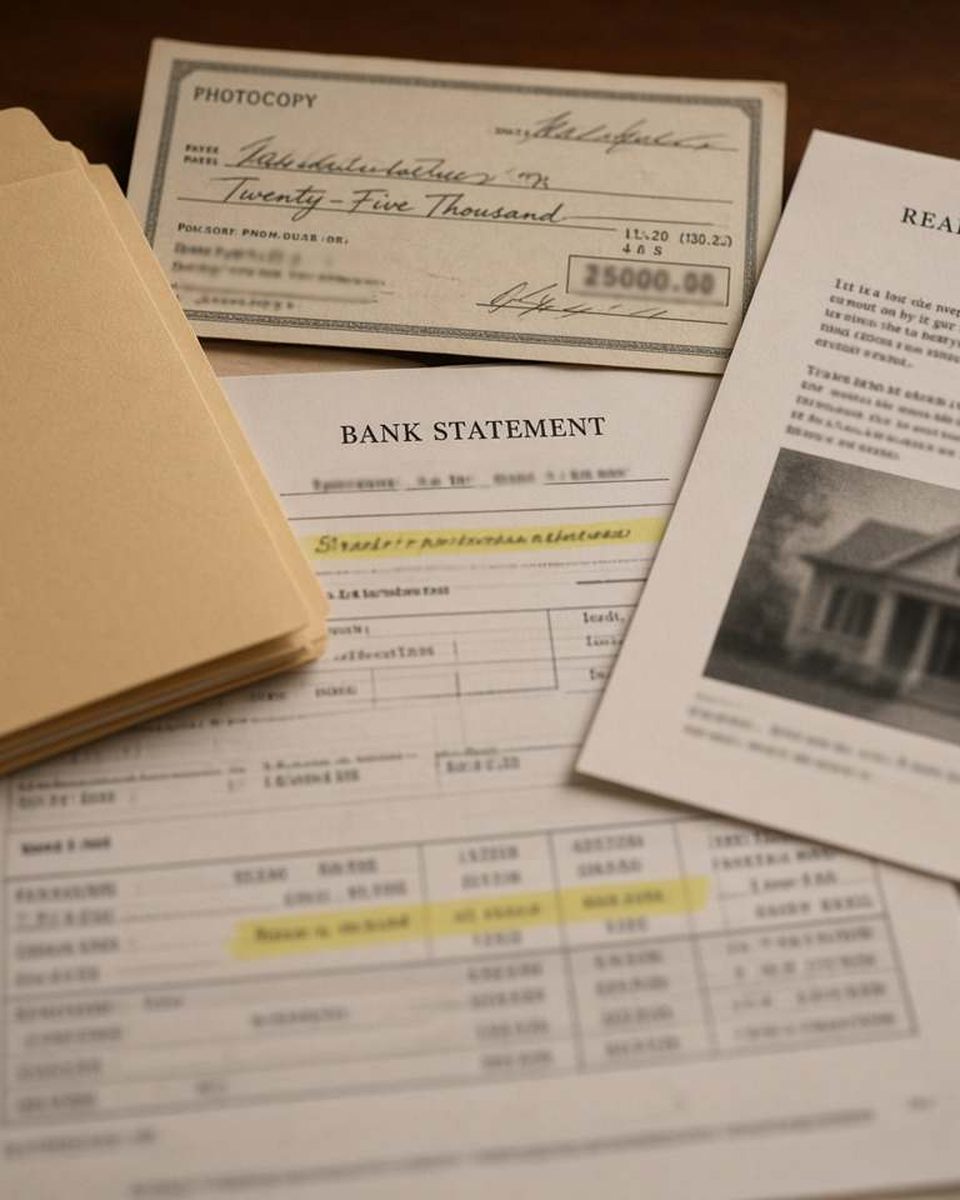
In Hogsett v. Neale (Colo. 2021), the Colorado Supreme Court refined the test: a common law marriage exists when the parties mutually agreed to enter a marital relationship and their conduct manifested that agreement. The old checklist factors — cohabitation, joint accounts, shared last names — still matter as evidence, but no single factor is required, and the inquiry now centers on the parties' intent in the context of their actual lives. The same decisions confirmed that common law marriage principles apply equally to same-sex couples, including relationships predating marriage-equality rulings.
Intent is proven with paper and witnesses.
These cases are won with the record of ordinary life: beneficiary designations, insurance enrollments, tax filings, deeds and leases, how the couple introduced each other, what family and friends observed, anniversary cards, joint obligations. Each item is small; the accumulation is the case. I build — or dismantle — that record the way I build a valuation fight: document by document, witness by witness.
I take these cases from either chair.
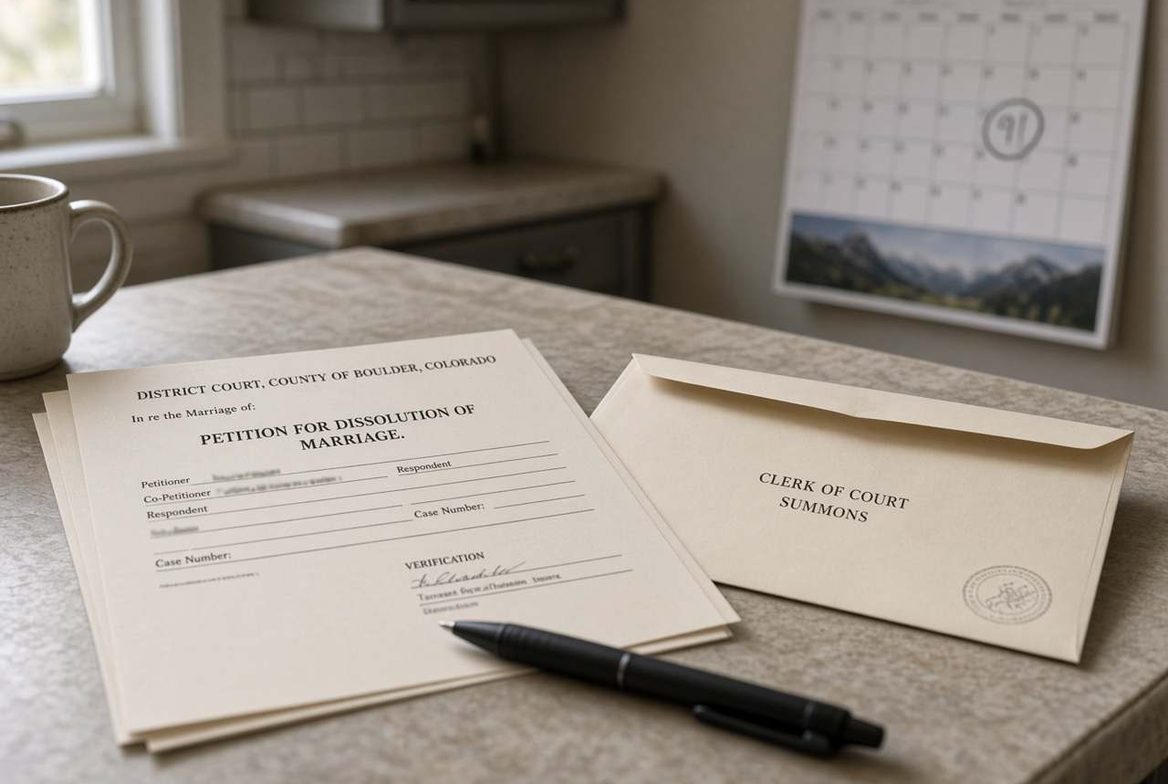
Sometimes my client needs to establish the marriage — years of partnership, a shared enterprise, and a partner now claiming they were merely roommates with a joint checking account. Sometimes my client needs to defeat the claim — a relationship being retroactively upgraded to marriage precisely because a business became valuable. The analysis is identical; only the advocacy points in different directions. What matters is engaging the Hogsett framework seriously, because courts now do.
For the unmarried and successful, clarity is cheap.
If you're building wealth inside a long-term relationship and do not intend marriage, say so in writing. A cohabitation agreement — the unmarried sibling of the prenuptial agreement — documents intent while everyone agrees on it, which is exactly when documentation is possible. It is far less expensive than litigating your own relationship's legal status after it ends.
What I tell every client about common law marriage.
Five things, whichever side of the question you are on.

- Intent plus conduct.
Both people must have intended to be married, and they must have acted like it. One without the other is not enough.
- The paper is the case.
Joint returns, joint accounts, a shared lease or deed, insurance and beneficiary forms, how you were introduced. Collect it, or explain it.
- There is no minimum time.
Years together do not create a marriage, and a short time does not prevent one. The evidence does.
- If a marriage is found, everything follows.
Property division, maintenance and inheritance rights attach as if there had been a ceremony, from the date the marriage began.
- A cohabitation agreement prevents the question.
Couples who do not intend to be married can say so in writing. It is the cleanest evidence there is.
If you are building wealth in a long relationship and do not intend marriage, say so in writing.
Start with a confidential conversation: tell me what is at stake →
The questions people ask about common law marriage.
Does Colorado still recognize common law marriage?
Yes. Colorado is one of the few states that still recognizes a marriage entered without a license or ceremony, and a common law marriage, once it exists, is a marriage for every purpose: property division, maintenance, inheritance and the rest. That is why the first fight in some cases is not how to divide the estate but whether a marital estate exists at all.
What is the test?
Under the Colorado Supreme Court’s 2021 decision in Hogsett v. Neale, a common law marriage exists when the parties mutually agreed to enter a marital relationship and their conduct manifested that agreement. The old checklist, cohabitation, joint accounts, a shared last name, is still evidence, but no single factor is required, and the inquiry centers on the parties’ intent in the context of their actual lives.
Is there a minimum number of years we had to live together?
No. There is no waiting period and no minimum. Years together do not create a marriage without the mutual agreement to be married, and a short time does not prevent one where the agreement and the conduct are there. The evidence decides it, not the calendar.
What kind of evidence proves, or disproves, a common law marriage?
The record of ordinary life: joint tax returns filed as married, beneficiary designations, insurance enrollments, deeds and leases, joint obligations, how the couple introduced each other, what family and friends observed, anniversary cards. Each item is small; the accumulation is the case. The same record, read the other way, defeats a claim: separate returns filed as single, separate accounts, and introductions as partners rather than spouses.
Does it apply to same-sex couples, including before marriage equality?
Yes. The Colorado Supreme Court’s 2021 decisions confirmed that common law marriage principles apply equally to same-sex couples, including relationships that predate the marriage-equality rulings, with the test applied in light of the circumstances the couple actually lived in.
My partner's business became valuable and now they say we were never married. Or the reverse. What happens?
Both cases are litigated the same way and I take them from either chair. Sometimes my client needs to establish the marriage after years of partnership and a shared enterprise; sometimes my client needs to defeat a relationship being retroactively upgraded to marriage because a business became valuable. If a marriage is found, everything acquired during it is presumptively marital, from the date the marriage began. If it is not, the parties are unmarried and property follows title.
How does a common law marriage end?
The same way any marriage ends: by a decree of dissolution or legal separation, or by death. There is no common law divorce. A couple who were common law married and simply separated are still married until a court says otherwise, which matters for the next relationship, the estate plan and the property acquired since.
We are not married and do not intend to be. How do we make sure nobody says otherwise later?
Say so in writing. A cohabitation agreement, the unmarried sibling of the prenuptial agreement, documents the parties’ intent not to be married and sets out how property is held, while everyone agrees on it, which is exactly when documentation is possible. It is far less expensive than litigating the legal status of your own relationship after it ends.
Where to go next.
The next page in this chapter, the pages that belong with it, and the blog posts on the same question.
- LGBTQ+ Family LawSame-sex divorce, civil unions, parentage, adoption
- LGBTQ+ Divorce: What's DifferentThe plain-English guide: when the marriage began, the children, retirement plans, taxes, benefits, with checklists
- Name Change After DivorceRestoring a name, changing a child's name
- Modifying OrdersWhat can be modified and on what showing: custody, support, maintenance, property
From the blog, on this topic
Colorado still recognizes common law marriage, no ceremony required. For high-net-worth couples, a found marriage can put years of asset appreciation,…
Sept 9, 2026You Might Already Be Married: Common Law Marriage in ColoradoColorado still recognizes marriage without a license, so the first fight in some cases is whether a marital estate exists at all. The Hogsett test, the evidence…
Whether a marriage exists is decided on evidence. Let’s look at yours first.
A consultation is a working session, in person in Greenwood Village or by video: we go through your situation and I tell you what I would do. Your note reaches my office directly; during business hours we call you back within the hour, run the conflicts check, and set the meeting.
Talk to us about your case.
303-507-5529One call. A real person picks up, hears you out, and tells you how we would handle what you are facing and what to do first. No phone tree, no sales pitch, no obligation. Your first conversation is with our intake paralegal, who will get you to Aaron fast.
Rather write? Send a short note and during business hours we call you back within the hour.