
Hidden assets & forensic discovery.
Colorado’s disclosure duty is mandatory and continuing, and a division built on a material omission can be reopened for five years. Forensic work is what turns a suspicion into an exhibit: the entity nobody mentioned, the account in another name, the income that never reached the tax return.
- 01Three things that decide these cases
- 02Colorado doesn't wait for you to ask
- 03The owner's levers, cataloged
- 04Lifestyle doesn't lie; documents eventually…
- 05Concealment has a long tail in Colorado
- 06What to do — and what never to do
- →What people ask first
Talk to us about your case.
303-507-5529One call. A real person picks up, hears you out, and tells you how we would handle what you are facing and what to do first. No phone tree, no sales pitch, no obligation. Your first conversation is with our intake paralegal, who will get you to Aaron fast.
Rather write? Send a short note and during business hours we call you back within the hour.
Colorado does not wait for you to ask.
The most common fear I hear in first conversations is “I don’t actually know what we have.” Under C.R.C.P. 16.2, both spouses owe an affirmative duty of full and honest disclosure of all material assets, liabilities, income and expenses, sworn, and required without a discovery request. That flips the dynamic: your spouse’s obligation to reveal exists from the start, and gaps in the disclosures are themselves evidence. The sworn financial statement is not paperwork; it is testimony.

Three things that decide these cases.
Concealment in sophisticated estates is rarely cash in a bag. It is timing and characterization: income deferred until after the decree, receivables slowed, phantom loans to a related entity, perks run through the company, new accounts at unfamiliar institutions, transfers to family, digital assets moved off exchanges. I have owned businesses; I know which levers exist.
Subpoenas to banks, brokerages and exchanges; tax returns read line by line against the sworn statements; a lifestyle analysis comparing spending to reported income, because a household that consumes more than it earns got the difference somewhere; forensic accountants engaged early, not as a last resort.
Rule 16.2 gives the court authority for five years after the decree to reallocate assets when material misstatements or omissions come to light, on top of sanctions and fee exposure. Hiding an asset is not a one-time gamble at trial; it is a five-year liability.
Colorado doesn't wait for you to ask.

Under Colorado Rule of Civil Procedure 16.2, both parties owe an affirmative duty of full and honest disclosure of all material assets, liabilities, income, and expenses — sworn, and required without waiting for a discovery request. That flips the dynamic most people expect: your spouse's obligation to reveal exists from the start, and gaps in the disclosures are themselves evidence. The Sworn Financial Statement isn't paperwork; it's testimony.
The owner's levers, cataloged.
Concealment in sophisticated estates is rarely a duffel bag of cash. It's timing and characterization: income deferred until after the decree, receivables slowed, phantom loans to a related entity, a sudden need to “reinvest everything in the business,” perks run through the company, new accounts at unfamiliar institutions, transfers to family, and increasingly digital assets moved off exchanges. I've owned businesses; I know which levers exist because I know where they're installed.
Lifestyle doesn't lie; documents eventually don't either.
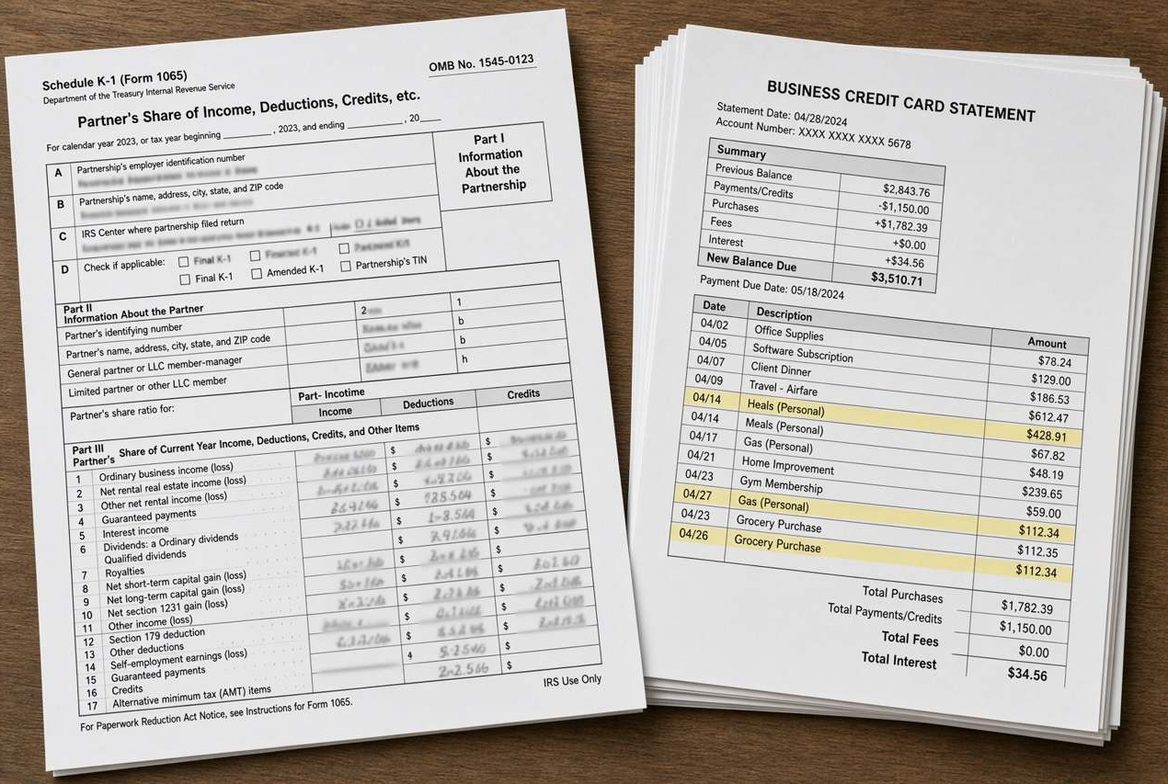
The method is systematic: subpoenas to banks, brokerages, and exchanges; tax returns read line by line against the sworn statements; a lifestyle analysis comparing spending to reported income — when a household consumes more than it earns, the difference came from somewhere; and forensic accountants engaged early, not as a last resort. This is where my referral network earns its keep in both directions: the forensic CPAs I brief are the same professionals who trust me with their own clients.
Concealment has a long tail in Colorado.
Rule 16.2 gives courts continuing authority for five years after entry of a decree to reallocate assets and liabilities when a party's material misstatements or omissions in disclosure come to light — a reopening window most other states don't offer. Combined with sanctions and attorney-fee exposure, it changes the concealment calculus: hiding an asset isn't a one-time gamble at trial; it's a five-year liability. I use that clock both as sword and as counsel — because it applies to everyone's disclosures, including yours.
What to do — and what never to do.

Preserve what you lawfully have: statements, returns, screenshots of accounts you legitimately access. Then stop. Do not log into your spouse's accounts, install monitoring software, or open their mail — self-help surveillance can violate state and federal law and hand the other side a weapon that overshadows whatever you found. Everything discoverable can be reached properly through counsel, with subpoena power behind it. Suspicion is a strategy question; answer it with process, not risk.
What I tell every client who suspects something is missing.
Five things, before you accuse anyone of anything.

- Start with the tax returns.
Interest, dividends, K-1s and depreciation schedules point to accounts and entities. The return is the map; the statements are the territory.
- Use the disclosure rule first.
Sworn financial statements and mandatory disclosures are due early. A gap in them is the first exhibit, and it is free.
- Retain the forensic accountant early.
Subpoenas take time, and institutions purge records. The trail is warmest at the beginning of the case.
- Do not self-help.
Logging into your spouse’s accounts or recording them can turn your case into theirs. Get the records through discovery.
- The five-year rule cuts both ways.
Your own disclosures must be complete too. An omitted asset on your side reopens the case for you.
“I don’t actually know what we have.” Colorado’s answer is a sworn duty. Mine is a forensic process.
Start with a confidential conversation: tell me what is at stake →
The questions people ask when something seems to be missing.
I don't actually know what we have. Where do I start?
With Colorado’s disclosure rule, which does not wait for you to ask. Under C.R.C.P. 16.2 both spouses owe an affirmative, sworn duty to disclose all material assets, liabilities, income and expenses, without a discovery request. Your spouse’s obligation to reveal exists from the start, and gaps in the disclosures are themselves evidence. Then the tax returns: interest, dividends, K-1s and depreciation schedules point to accounts and entities. The return is the map; the statements are the territory.
How do you actually find hidden money?
Systematically. Subpoenas to banks, brokerages and exchanges; tax returns read line by line against the sworn statements; a lifestyle analysis comparing spending to reported income, because a household that consumes more than it earns got the difference somewhere; and a forensic accountant engaged early, not as a last resort, because subpoenas take time and institutions purge records. The trail is warmest at the beginning.
What does concealment look like when the money is in a business?
Rarely cash in a bag. It is timing and characterization: income deferred until after the decree, receivables slowed, phantom loans to a related entity, a sudden need to reinvest everything in the company, perks run through the business, new accounts at unfamiliar institutions, transfers to family, digital assets moved off exchanges. I have owned businesses; I know which levers exist because I know where they are installed.
What happens if my spouse hid an asset and I only find out after the divorce?
Colorado gives the court authority for five years after the decree to reallocate assets and liabilities when a party’s material misstatements or omissions in disclosure come to light, on top of sanctions and fee exposure. Most states do not offer that window. Hiding an asset is not a one-time gamble at trial; it is a five-year liability, and the same clock applies to your own disclosures.
Can I log into my spouse's accounts or put software on their phone to find out?
No. Preserve what you lawfully have, statements, returns, screenshots of accounts you legitimately access, and then stop. Logging into your spouse’s accounts, installing monitoring software, recording them or opening their mail can violate state and federal law and hand the other side a weapon that overshadows whatever you found. Everything discoverable can be reached properly through counsel, with subpoena power behind it.
What if my spouse just refuses to produce the records?
Then the refusal becomes the exhibit. Courts have considerable discretion to sanction incomplete or late disclosures, the conduct fee statute shifts fees for discovery abuse, and subpoenas go to the institutions directly, which do not refuse. A spouse who will not disclose has usually told the court more than the records would have.
Does the disclosure duty cover cryptocurrency, trusts and things held in other people's names?
Yes. The duty covers every material asset and interest, whatever form it takes and whoever holds title: wallets and exchange accounts, trust interests, entities, accounts in a relative’s name, receivables and deferred compensation. An asset in someone else’s name is reached through the trail that put it there.
My own disclosures have a gap I didn't think mattered. What should I do?
Fix it now, with counsel. The five-year rule cuts both ways, and an omitted asset on your side reopens the case for you. A supplemental disclosure made during the case is ordinary; an omission discovered afterward is a reopening, a sanction and a credibility finding.
Where to go next.
The next page in this chapter, the pages that belong with it, and the blog posts on the same question.
From the blog, on this topic
Spousal Lifetime Access Trusts move wealth out of the taxable estate, with the marriage as the access mechanism. In a divorce, the donor loses the access,…
Sept 17, 2026Dividing Retirement Accounts in a Colorado Divorce Without Blowing Them UpRetirement accounts are often the largest marital asset and the most commonly mishandled. QDROs, Colorado PERA, the time-rule formula, and survivor benefits each…
Sept 16, 2026Value Depends on Definition: The Standard-of-Value Fight in Colorado Business ValuationColorado leaves the standard of value in divorce undefined, and that choice, not the percentage debate, is what decides whether marketability and control…
If the numbers don’t add up, let’s find out why before the decree makes it final.
A consultation is a working session, in person in Greenwood Village or by video: we go through your situation and I tell you what I would do. Your note reaches my office directly; during business hours we call you back within the hour, run the conflicts check, and set the meeting.
Talk to us about your case.
303-507-5529One call. A real person picks up, hears you out, and tells you how we would handle what you are facing and what to do first. No phone tree, no sales pitch, no obligation. Your first conversation is with our intake paralegal, who will get you to Aaron fast.
Rather write? Send a short note and during business hours we call you back within the hour.