
Legal separation vs. divorce.
A decree of legal separation does everything a divorce does, dividing property and setting support and parenting orders, except end the marriage. People choose it for insurance, for faith, for timing. Either spouse can convert it to a dissolution later, and the property cut-off and the tax consequences make the choice more than a formality.
- 01Three reasons people choose it
- 02Rarely the last word
- 03Insurance, timing, conviction
- 04Separation is rarely the last word
- 05The label changes federal treatment
- 06A decision about facts, not feelings about…
- →What people ask first
Talk to us about your case.
303-507-5529One call. A real person picks up, hears you out, and tells you how we would handle what you are facing and what to do first. No phone tree, no sales pitch, no obligation. Your first conversation is with our intake paralegal, who will get you to Aaron fast.
Rather write? Send a short note and during business hours we call you back within the hour.
Everything divides; the status remains.
A legal separation in Colorado proceeds through the same court process as dissolution — the same financial disclosures, the same equitable division of property, the same maintenance and parenting frameworks — but the final decree leaves the parties married. Neither can remarry. The financial untangling is just as complete and just as final; only the marital status survives. It's not a lighter version of divorce — it's the same machine producing a different last page.
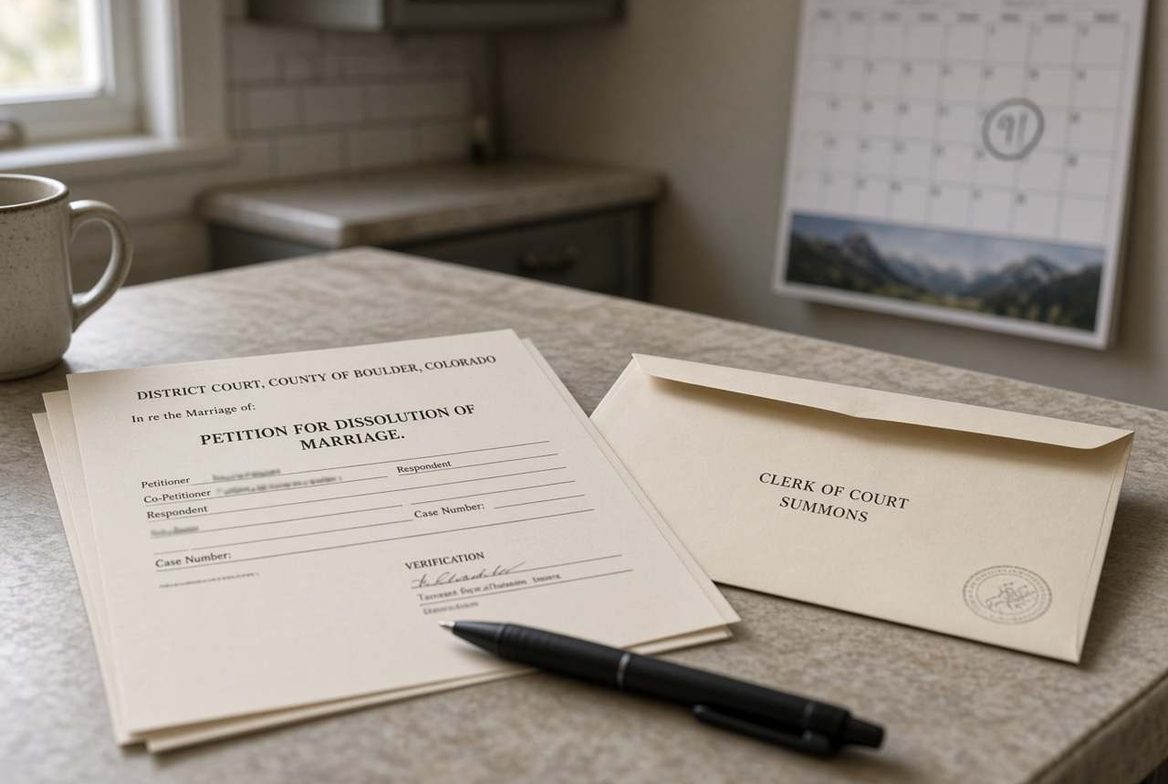
Three reasons people choose it.
Divorce terminates a spouse’s coverage eligibility, and for a spouse with serious health needs continued coverage can be worth more than any negotiated asset. Many plans treat a separation decree as a terminating event too, so the policy language is verified before this becomes the strategy.
Certain federal benefits, including Social Security spousal benefits and some military and pension rights, turn on the length of the marriage. A separation lets a clock keep running.
For some clients the intact marriage reflects religious or personal conviction. The law respects it; the financial terms are negotiated exactly as a divorce settlement would be.
Rarely the last word.
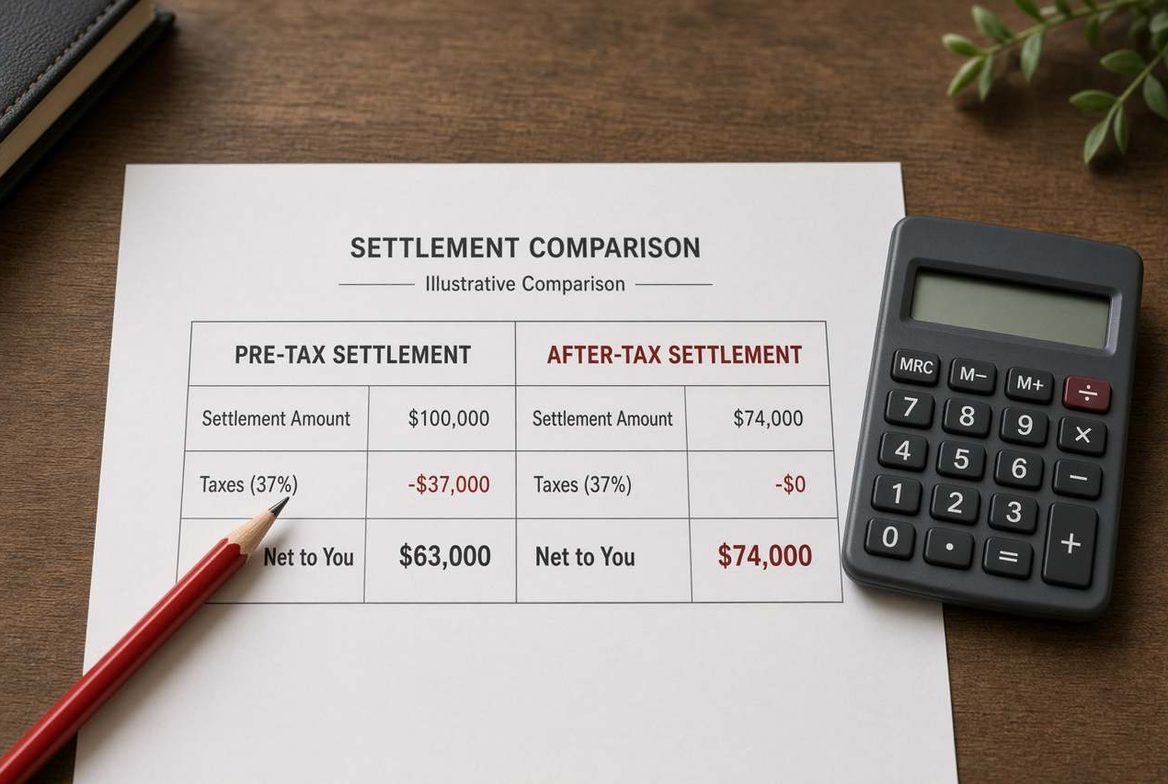
Either party may convert a decree of legal separation into a decree of dissolution on motion, no earlier than six months after the separation decree, and conversion cannot meaningfully be resisted. Negotiate the separation agreement as if it were a divorce settlement, because with one motion it becomes one. And legally separated spouses are generally treated as unmarried for federal income-tax filing, so beneficiary designations, estate plans and survivorship rights need the same overhaul a divorce would trigger.
Insurance, timing, conviction.
Three reasons dominate. Health insurance: divorce terminates a spouse's coverage eligibility, and for a spouse with serious health needs, continued coverage can be worth more than any negotiated asset — though many plans treat a decree of legal separation as a terminating event too, so the actual policy language must be verified before this becomes the strategy. Benefits timing: certain federal benefits, including Social Security spousal benefits, key off marriage duration thresholds such as ten years — a marriage at year nine may be worth finishing on paper. And conviction: for clients whose faith or family structure forecloses divorce, separation resolves the finances without the label.
Separation is rarely the last word.
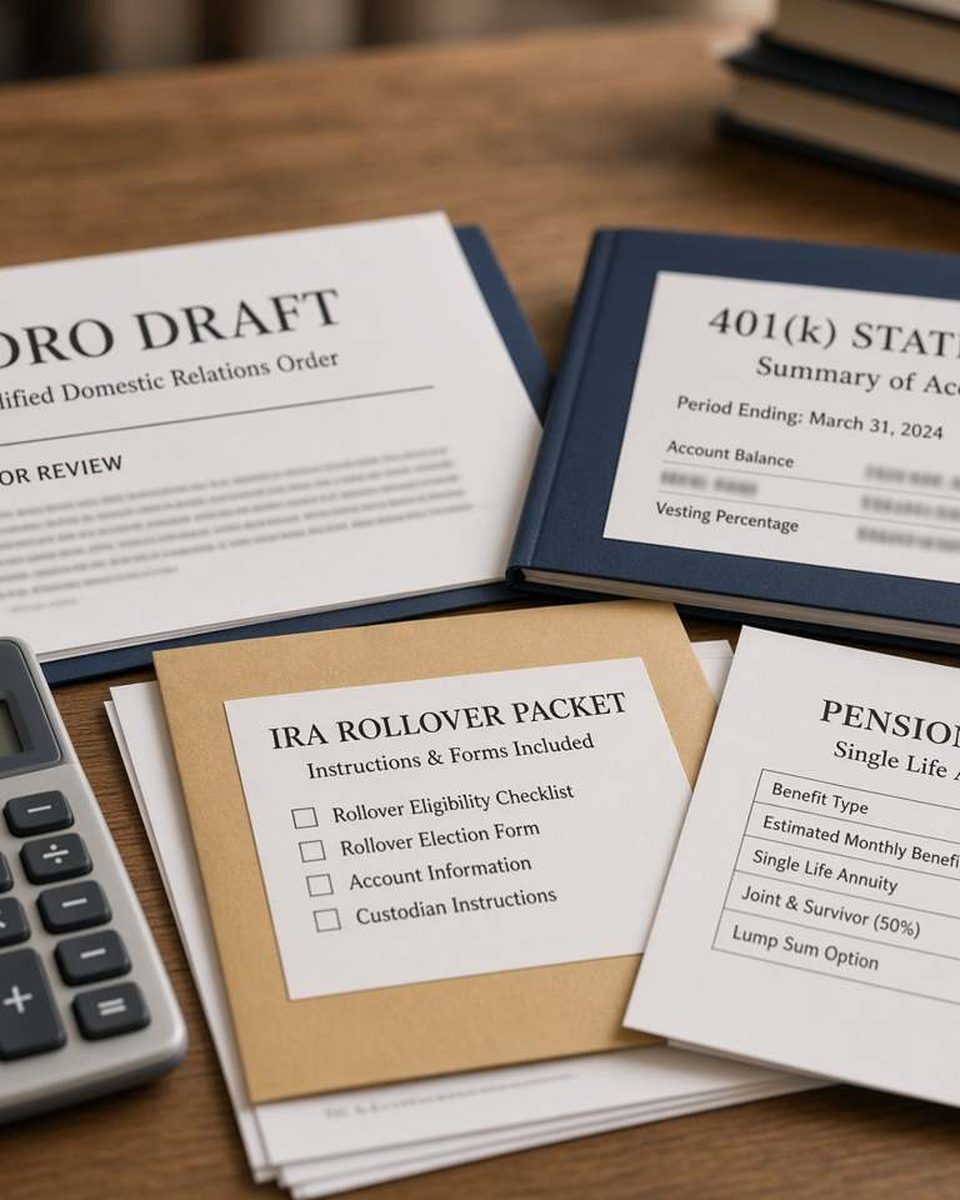
Colorado law allows either party to convert a decree of legal separation into a decree of dissolution on motion, no earlier than six months after the separation decree enters — and conversion cannot meaningfully be resisted. Practically, that makes legal separation a waystation either party can end. Negotiate the separation agreement as if it were a divorce settlement, because with one motion, it becomes one.
The label changes federal treatment.
Spouses who are legally separated under a decree are generally treated as unmarried for federal income-tax filing purposes — which surprises clients who assumed the surviving marriage preserved joint filing. Beneficiary designations, estate plans, and survivorship rights all need the same post-decree overhaul a divorce would trigger; the intact marital status does far less automatic work than people expect. This is another place the tax strategy analysis runs before the papers are chosen, not after.
A decision about facts, not feelings about finality.

The choice between separation and dissolution is a spreadsheet-and-policy-documents decision: what does the health plan actually say, which benefit clocks are running, what does each party need the status for, and how stable is the détente. I've guided clients in both directions — and occasionally through a separation that later converted, exactly as designed. What matters is choosing with the documents open.
What I tell every client weighing legal separation.
Five things, before you choose the door.

- Same process, different decree.
Disclosure, temporary orders, mediation, a hearing if needed. The work is the same; only the last page differs.
- The marriage continues, and so do some obligations.
Insurance eligibility, inheritance, filing status. Know what stays and what ends before you decide.
- The property division is final.
Assets acquired after the decree of legal separation are generally the acquiring spouse’s. That cut-off is a reason people choose it, and a trap for those who do not notice it.
- Conversion is one motion away.
Either spouse can ask to convert the decree to a dissolution after the waiting period. Plan as if that will happen.
- Check the insurance plan first.
Many employer plans treat a legal separation like a divorce for coverage purposes. Ask before you assume the benefit survives.
The same machine as a divorce, with one difference. Choose with the documents open.
Start with a confidential conversation: tell me what is at stake →
The questions people ask about legal separation.
What is the difference between legal separation and divorce in Colorado?
One line on the last page. A legal separation goes through the same process, the same financial disclosures, the same equitable division of property, the same maintenance and parenting frameworks, and the decree does everything a divorce decree does except end the marriage. Neither spouse can remarry. The financial untangling is just as complete and just as final; only the marital status survives.
Why would anyone choose it?
Three reasons dominate. Health insurance, where a spouse with serious needs would lose coverage on divorce, though many plans treat a separation decree as a terminating event too, so the policy language is verified first. Benefit timing, where federal benefits such as Social Security spousal benefits key off marriage-duration thresholds like ten years, so a marriage at year nine may be worth finishing on paper. And conviction, where faith or family structure forecloses divorce and the finances still need resolving.
Can a legal separation be converted to a divorce later?
Yes, and it usually is. Either party may move to convert the decree of legal separation into a decree of dissolution no earlier than six months after the separation decree enters, and conversion cannot meaningfully be resisted. That makes separation a waystation either party can end, which is why the separation agreement is negotiated as if it were a divorce settlement: with one motion, it becomes one.
Does the property division stay final if we later divorce?
Yes. The division in the separation decree is final, and assets acquired after a decree of legal separation are generally the acquiring spouse’s separate property. That cut-off is one reason people choose it and a trap for those who do not notice it: a business that takes off, or an inheritance that arrives, after the separation decree is not on the table at the conversion.
Will we still file joint tax returns?
Generally not. Spouses who are legally separated under a decree are treated as unmarried for federal income-tax filing purposes, which surprises clients who assumed the surviving marriage preserved joint filing. Beneficiary designations, estate plans and survivorship rights need the same post-decree overhaul a divorce would trigger; the intact status does far less automatic work than people expect.
Will my spouse still be covered by my health insurance?
Ask the plan before you assume it. Divorce terminates a spouse’s eligibility, and many employer plans treat a decree of legal separation the same way. Where the plan continues coverage after a separation decree, that continuation can be worth more than any negotiated asset, and where it does not, the strategy changes. The choice is made with the plan documents open.
Can we get maintenance and child support in a legal separation?
Yes. Temporary orders, maintenance, child support, parenting time and decision-making are all available and are decided under the same statutes as in a divorce. The orders are enforced and modified the same way, and they carry over on conversion unless the conversion motion asks the court to revisit them.
Is legal separation faster or cheaper than divorce?
No. It is the same machine producing a different last page: the same disclosures, the same temporary orders, mediation and, where needed, a hearing. The work is the same; only the decree differs. The decision between the two is a spreadsheet-and-policy-documents decision, not a shortcut.
Where to go next.
The next page in this chapter, the pages that belong with it, and the blog posts on the same question.
From the blog, on this topic
A 2025 amendment lets Colorado courts weigh domestic violence, coercive control, and economic abuse when setting maintenance, beside a statute that still says…
Sept 17, 2026Can You File for Divorce in Another State If You Live in Colorado?Where a divorce can be filed, where the money can be decided, and where the children's case belongs are three different questions. Colorado's 91-day domicile…
Sept 16, 2026Colorado's New Child Support Law: What Changed on March 1, 2026Colorado rebuilt child support on March 1, 2026: a schedule that now runs to $40,000 a month, a credit for every overnight in place of the 93-night cliff, a…
Same process, different decree. Let’s make sure it is the door you actually want.
A consultation is a working session, in person in Greenwood Village or by video: we go through your situation and I tell you what I would do. Your note reaches my office directly; during business hours we call you back within the hour, run the conflicts check, and set the meeting.
Talk to us about your case.
303-507-5529One call. A real person picks up, hears you out, and tells you how we would handle what you are facing and what to do first. No phone tree, no sales pitch, no obligation. Your first conversation is with our intake paralegal, who will get you to Aaron fast.
Rather write? Send a short note and during business hours we call you back within the hour.