Decree
The valuation date
Property is valued as of the date of the decree, or of the property hearing if it comes first. Not the filing date, not the separation, not the listing.
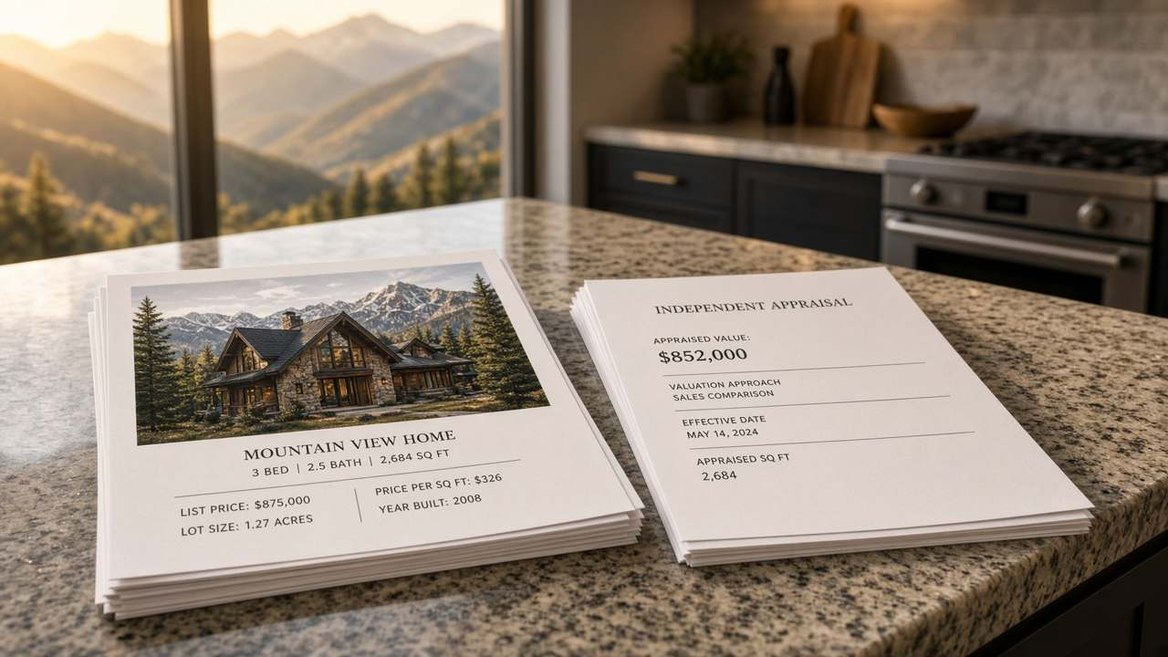
The house is where divorcing couples most often confuse three different numbers: what a property is worth, what the equity is, and what anyone would actually keep after tax. Colorado adds rules of its own. Title does not decide ownership. A premarital home stays separate but its growth is marital, measured at the decree. Adding a spouse to the deed is presumed a gift. Selling costs and capital-gains tax come off the value only if the house is actually sold. A quitclaim moves the deed and never the note. And the tax exclusion on the sale survives the divorce only if the decree is drafted for it. This page is the whole of it: the house, the rental, the second home, the ranch, and the one in another state.
Talk to us about your case.
303-507-5529One call. A real person picks up, hears you out, and tells you how we would handle what you are facing and what to do first. No phone tree, no sales pitch, no obligation. Your first conversation is with our intake paralegal, who will get you to Aaron fast.
Rather write? Send a short note and during business hours we call you back within the hour.
A division that ignores the difference between value, equity and after-tax proceeds is not a division. It is a transfer in disguise.
Every marital estate with a house in it produces the same conversation. One spouse wants to keep the home, usually for the children; the other wants their share of it. Both are looking at a listing price, or a website estimate, and both think that number is what they are dividing. It is not. The property has a fair market value, set by an appraiser as of the decree. It has an equity, which is that value less the mortgage and the liens. And it has an after-tax value to whichever spouse keeps it, which depends on the basis that carries over, the exclusion available when it is eventually sold, and whether it is a residence or a rental. Trade a house for a brokerage account of the same equity and one spouse has taken the tax bill for both.
Colorado’s property statute governs the rest: what is marital regardless of the name on the deed, how a premarital home and its growth are treated, what a gift between spouses does, and the date the value is fixed. The temporary-orders statute and the automatic injunction govern who stays and what nobody may do with the house while the case is pending. Federal law governs the mortgage after the deed changes hands and the tax on the transfer and the later sale. What follows is each of those rules, the cases that applied them, and the way I price a house before anyone says yes to keeping it.
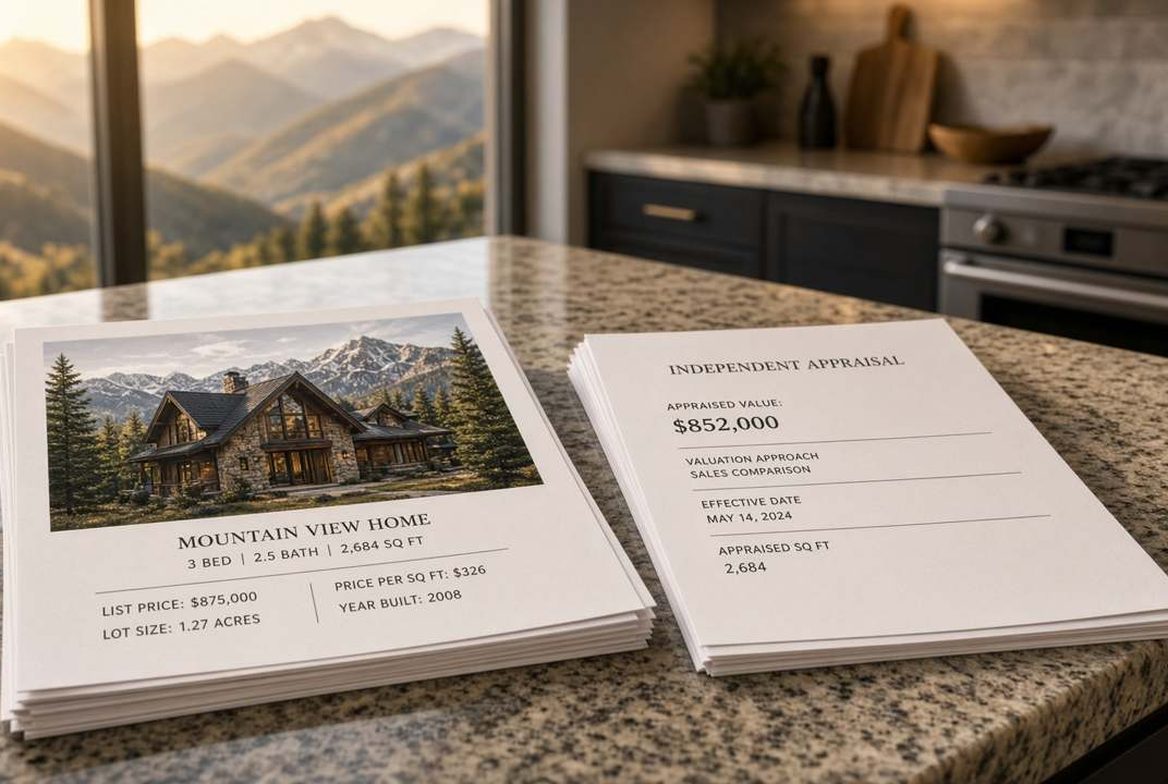
Property is valued as of the date of the decree, or of the property hearing if it comes first. Not the filing date, not the separation, not the listing.
Of gain on a principal residence, $250,000 each, if the ownership and use tests are met. The decree can preserve it for the spouse who moves out, or lose it.
No gain or loss is recognized on a transfer between spouses incident to the divorce. The basis carries over, and so does the whole built-in gain, to the spouse who keeps the property.
The same house, priced three ways. The settlement is negotiated on the third line, or it is not a settlement.
| What it is | Who sets it | What it is for | |
|---|---|---|---|
| Fair market value | What a willing buyer would pay a willing seller, as of the decree or the property hearing. | A licensed appraiser, retained for the case; not the listing agent, not a website estimate, not the assessor. | The starting number for everything below. Two appraisals in a contested case, and a hearing on the difference if the gap matters. |
| Equity | Fair market value less the mortgage balance, home-equity lines, tax liens, HOA liens and any other encumbrance as of the same date. | The payoff statements, pulled the same month as the appraisal. | The marital asset that is actually divided, subject to any separate-property carve-out for a premarital or gifted contribution. |
| After-tax proceeds | What the spouse who keeps or sells the house actually nets: equity, less selling costs if it will be sold, less capital-gains tax on the gain above the carried-over basis and above the exclusion available to that spouse, less depreciation recapture on a rental. | The tax model, built for each spouse separately, because the exclusion and the basis differ by who keeps it. | The number the offset is priced on. A house and a brokerage account of the same equity are not worth the same to the spouse who takes each; the tax model says by how much. |
The court deducts selling costs and capital-gains tax from the value only where the property will actually be sold. That rule protects the spouse who receives the offsetting assets from a phantom deduction; it does not stop the parties from negotiating on after-tax values, which is what sophisticated settlements do.
Trade a house for a brokerage account of the same equity and one spouse has taken the tax bill for both.
Four statutory rules and four cases decide the character of a property before anyone values it.
| The situation | The rule | The authority | What to bring |
|---|---|---|---|
| Bought during the marriage, titled in one name | Presumed marital regardless of whether title is held individually or in any form of co-ownership; rebutted only by proof it came in by gift, inheritance, exchange for separate property, after a legal-separation decree, or under a valid agreement. | C.R.S. § 14-10-113(3), (2) | The closing statement and the source of the down payment. |
| Owned before the marriage | Separate property, but marital to the extent its present value exceeds its value at the date of marriage, measured at the decree; each asset’s increase is added to the estate on its own, not netted against declines elsewhere. | C.R.S. § 14-10-113(4); Balanson, 25 P.3d 28 (Colo. 2001); Burford, 950 P.2d 682 (Colo. App. 1997) | An appraisal or comparable-sales analysis as of the wedding date, and the mortgage balance then and now. |
| Inherited or gifted from a third party | Separate, and property bought in exchange for it stays separate, but the appreciation during the marriage is marital and commingling with marital funds is the usual way the carve-out is lost. | C.R.S. § 14-10-113(2)(a)–(b), (4) | The probate or gift paperwork and the trail from it to the property. |
| One spouse added the other to the deed | A gift between spouses, other than nonbusiness tangible personal property, is presumed marital, rebuttable only by clear and convincing evidence. Placing title jointly presumes a gift; a lender, tax or estate-planning motive merely explains why the gift was made. The deed form is not dispositive, but it is persuasive. | C.R.S. § 14-10-113(7)(a); Moncrief, 535 P.2d 1137 (Colo. App. 1975); Stumpf, 932 P.2d 845 (Colo. App. 1996); Finer, 920 P.2d 325 (Colo. App. 1996) | The recorded deed, the refinance file that prompted it, and the value on that date, because the contribution of the spouse who brought the house is still a division factor. |
| Held in a revocable trust | A spouse’s own revocable trust is looked through. An interest under a third party’s revocable trust, will or beneficiary designation is not property at all; a vested remainder in an irrevocable trust is. | C.R.S. § 14-10-113(7)(b); Balanson | The trust instrument. The Trust Interests page covers the rest. |
| Conserved, not contributed | The conservation of the principal of an estate is itself a valuable contribution the court considers in dividing it; the spouse who kept the house, paid the taxes and did the maintenance has a factor on their side. | C.R.S. § 14-10-113(1)(a); Wildin, 563 P.2d 384 (Colo. App. 1977) | The record of who paid for what, from the accounts. |
Colorado divides marital property in the proportions the court deems just after considering all relevant factors, including each spouse’s contribution (homemaking included), the value of the separate property set apart to each, the economic circumstances of each at the division, and changes in the value of separate property during the marriage. Marital misconduct is irrelevant; economic misconduct is not. The Property Division page covers the framework.
Three statutes govern the house between the petition and the decree.

The court may award the home, or the right to live in it for a period, to the parent with majority time; temporary orders decide who uses it meanwhile; and the automatic injunction bars either spouse from selling, refinancing or borrowing against it without consent or an order.
In dividing the property the court considers the economic circumstances of each spouse at the time of the division, including the desirability of awarding the family home, or the right to live in it for reasonable periods, to the spouse with whom any children reside the majority of the time. That sentence is the statutory basis for the parent with majority time keeping the house, and for a deferred sale that keeps the children in it through a school year or a graduation. It is a factor, not a rule; the spouse who keeps the house still pays for the other spouse’s share, in cash, in offset or over time.
While the case is pending either spouse may ask for temporary use of property, and the court may award one spouse the use of the home, allocate the mortgage and the carrying costs, and restrain either party from transferring, encumbering, concealing or disposing of property except in the usual course of business or for the necessities of life. The court may exclude a party from the family home only on a showing that physical or emotional harm would otherwise result. Temporary orders end when the decree enters. Nobody is obliged to move out on the day the petition is filed, and moving out does not forfeit a share of the equity; it can affect the children’s status quo, which is why it is decided as strategy. The Temporary Orders page covers the hearing.
From the filing and service of the petition a temporary injunction is in effect against both parties, and becomes an order of the court: neither may transfer, encumber, conceal or in any way dispose of marital property without the other’s consent or a court order, except in the usual course of business or for the necessities of life, and each must notify the other of proposed extraordinary expenditures and account for them. A refinance, a home-equity line, a listing and a deed to a relative are all encumbrances or transfers. Agreed sales during a case are routine; they are done by stipulation, with the proceeds held in trust and divided at the decree.
After any pleading claiming relief affecting title to real property is filed, a party may record a notice of lis pendens against the property, and a later buyer or lender takes subject to the outcome. It is a public land record that names the parties and announces the case, a spurious one can be expunged with fees, and in most divorces the injunction makes it unnecessary. I record one when a spouse has shown a willingness to deal with the property anyway, and not otherwise.
Two rules from the statute and the Court of Appeals that decide what number goes on the spreadsheet.
| The question | The rule | In practice |
|---|---|---|
| As of when? | Property is valued as of the date of the decree, or of the hearing on the disposition of property if that hearing precedes the decree; assets and debts share one valuation date. | In a rising market the spouse who wants the house wants an early hearing; the spouse who wants a share wants a late one. The appraisal is dated within a few months of the hearing, and updated if the case drags. |
| Which appraisal? | The court chooses between the parties’ evidence; it is not bound by either appraisal and may land between them if the evidence supports it. | One appraiser each in a contested case, or one jointly retained under a stipulation, which is cheaper and usually accepted. Website estimates, the assessor’s actual value and the listing agent’s opinion are not evidence of value a court will rely on against a licensed appraisal. |
| Selling costs and capital-gains tax? | Deducted only where the property will actually be sold. The Court of Appeals reversed a deduction of commissions and tax from a condominium awarded to one spouse absent evidence of intent to sell, and affirmed gross-equity valuation where no sale was in prospect. | If the decree orders a sale, the net after commission, closing costs and tax is what is divided. If one spouse keeps the house, the court values it at gross equity, and the tax consequences are addressed by negotiation or by the court’s consideration of economic circumstances, not by a deduction from value. |
| Premarital appreciation? | Present value at the decree less the value at the date of marriage, per asset, added to the marital estate. | The wedding-date appraisal is worth more than any other document in the file. Retrospective appraisals exist and are accepted; they are weaker than a contemporaneous one. |
| Encumbrances? | The mortgage, home-equity lines, tax liens, HOA liens and judgment liens as of the same date. | Payoff letters pulled the month of the hearing; a line of credit drawn during the case is scrutinized under the injunction. |
A house valued at gross equity and awarded to one spouse carries its entire built-in gain to that spouse, because the transfer is tax-free and the basis carries over. That is the reason after-tax pricing matters more for a house than for almost any other asset: the court’s valuation rule and the tax code point in opposite directions, and the settlement has to reconcile them.
Every house in every divorce ends one of four ways. Each has mechanics and a failure mode.
| The outcome | How it works | What has to be true | Where it fails |
|---|---|---|---|
| Sell now, divide the net | Listed by agreement or order, with a broker, a listing price and a price-reduction schedule in the decree; net proceeds divided in stated percentages after commissions, costs, the mortgage and any separate-property reimbursement. | Neither spouse can afford to keep it, or neither wants it, or the equity is the only liquidity in the estate. The court has authority to order a sale where physical division is inferior and uncertain. | A spouse who occupies the house and obstructs the sale. The decree names who has possession, who pays what until closing, who signs, and what happens on a stalemate, including a court-appointed signer. |
| One spouse keeps it: cash buyout | The keeping spouse refinances into their own name, pays the other spouse a stated share of the equity at closing, and takes the deed by quitclaim recorded at the same time. | The keeping spouse qualifies for the refinance on their own income, including maintenance and child support where the lender counts them, and the after-tax pricing of the buyout has been done. | A refinance that fails after the decree. The decree sets a deadline, a fallback (sale), and what the moving spouse is entitled to while they wait. |
| One spouse keeps it: offset in other assets | The keeping spouse takes the house; the other spouse takes retirement, brokerage or business value of equivalent after-tax worth. | The estate has enough other assets, and the tax character of each side has been modeled: pre-tax retirement, capital-gain brokerage, tax-free residence exclusion and business value are four different currencies. | An offset priced on face value. The spouse who takes the pre-tax retirement to balance a house has taken the tax bill. |
| Deferred sale, or continued co-ownership | Both stay on title; one occupies, usually with the children, for a defined period (a school year, a graduation, a date certain); the decree allocates the mortgage, taxes, insurance and repairs and fixes the division of proceeds at the eventual sale. | The occupying spouse can carry the house, the moving spouse can afford to wait, and the decree grants the occupying spouse the use of the property in terms that preserve the moving spouse’s tax exclusion. | Silence. A deferred-sale order that does not say who pays a new roof, what happens on remarriage or a missed payment, how the sale price is set, and that the occupying spouse holds the use under the decree will be litigated at least once. |
The mortgage and the note are the same document in the lender’s file and different documents in a divorce. Every outcome except a sale leaves one spouse’s name on a debt for a house they no longer own, unless the decree deals with it. That is the next section.
Federal law protects the transfer. Nothing protects the spouse who stays on the loan.

Federal law stops the lender from calling the loan when the house is transferred under a divorce decree, and nothing in the decree takes the moving spouse off the note. The decree sets a refinance deadline, a fallback and an indemnity; the deed is recorded at the closing.
Nearly every residential mortgage lets the lender call the loan if the property is transferred. Federal law forbids that for residential property of fewer than five units where the transfer results from a decree of dissolution, a legal-separation agreement or an incidental property settlement by which the spouse of the borrower becomes an owner. The quitclaim from one spouse to the other is therefore safe from acceleration, and the servicing rules require the lender to deal with the receiving spouse as a successor in interest, so the spouse who keeps the house can get statements, apply for a modification and be spoken to.
The decree binds the spouses; it does not bind the bank. A spouse who signed the note and moves out stays liable for the whole loan until it is refinanced, assumed with a written release, or paid off, and every late payment lands on both credit reports. The decree therefore sets a refinance deadline, a consequence for missing it (typically a sale), an indemnity from the keeping spouse, and, where the estate allows, security for the obligation, which the court may require to insure enforcement of its orders. Assumption without a release is not a solution; it is the same problem with a different form.
Colorado’s statutory deed forms do different work. A quitclaim passes whatever interest the grantor has, without covenants and without after-acquired title; a warranty deed warrants title and freedom from encumbrances. Between divorcing spouses the quitclaim is standard and the title company will usually insure on it, but it is recorded at the closing of the refinance or the buyout, not before. A joint tenancy carries survivorship until an instrument severing it is recorded; a spouse may sever unilaterally by conveying to themselves as a tenant in common, and the statute makes no provision for a decree doing it. Until the deed under the decree is recorded, the survivorship term is still running, which is one more reason the recording happens on time.
Water rights are conveyed with the same formalities as real estate, except ditch-company stock, and are described separately in the deed. Mineral interests are conveyed separately too. HOA accounts are transferred and any lien cleared at closing. The senior property-tax exemption requires ten years of owner-occupancy and counts years as the spouse of an owner of record; whether those years carry over for the spouse who keeps the house after the divorce is not something to assume without checking with the assessor.
Three provisions of the Internal Revenue Code decide what a house is worth after the divorce. A Georgetown tax LL.M. is why this page exists.
| The provision | The rule | What it means in a settlement |
|---|---|---|
| Section 1041: the transfer | No gain or loss is recognized on a transfer of property to a spouse, or to a former spouse if incident to the divorce, meaning within one year after the marriage ends or related to its ending. The recipient’s basis is the transferor’s adjusted basis. | The buyout is tax-free to both spouses, and the spouse who keeps the house keeps the entire built-in gain. A house bought for $400,000 and worth $1,100,000 has $700,000 of gain that goes with it. |
| Section 121: the exclusion | Gain of up to $250,000 is excluded on the sale of a home owned and used as the principal residence for periods aggregating two of the five years before the sale; $500,000 on a joint return if either spouse meets the ownership test, both meet the use test and neither has used the exclusion in the prior two years. | A sale during the marriage, or in the year of the divorce on a joint return, can shelter $500,000. After the divorce each former spouse has $250,000, and only if they meet the tests. Timing the sale against the decree can be worth the tax on $250,000 of gain. |
| Section 121(d)(3)(A): ownership tacking | After a Section 1041 transfer, the recipient’s ownership period includes the transferor’s. | The spouse who receives the house by quitclaim inherits the years the other spouse owned it, so the two-year ownership test is met on the day of the transfer. |
| Section 121(d)(3)(B): use by the former spouse | An individual is treated as using property as a principal residence during any period of ownership while the individual’s spouse or former spouse is granted use of the property under a divorce or separation instrument. | In a deferred sale the spouse who moves out keeps the use test running, and therefore the $250,000 exclusion, only if the decree or separation agreement grants the occupying spouse the use of the property. Silence loses it. The clause costs one sentence. |
| Section 1031 and the rental | Like-kind exchange treatment applies to real property held for business or investment exchanged for like-kind real property. A Section 1041 transfer is not an exchange. | The spouse who takes the rental takes the carryover basis, the deferred gain from any prior exchange and the accumulated depreciation, and will pay recapture and capital-gains tax on sale; the spouse who takes the residence takes an exclusion. The two are not worth the same, and the after-tax model says by how much. |
| Mortgage interest, taxes and the year of the divorce | Deductions follow who is liable and who pays, and filing status follows marital status on December 31. | Who pays the mortgage during the case and who deducts it is set in the temporary orders; the year-of-decree return is planned, not discovered in April. The Tax Strategy page covers it. |
I am not your tax preparer, and the numbers on this page are the code’s, not your return’s. What I do is build the after-tax model of each proposed division, with the CPA where the facts warrant it, before anyone agrees to keep anything.
The judge’s power runs to the person, not to the land.

A Colorado judge can order a spouse to convey property anywhere and hold them in contempt for refusing, but the decree itself moves no title outside Colorado; entity-held property is divided through the interest, trust-held property through the trustee, and a ranch that cannot be fairly split can be ordered sold.
A Colorado court with jurisdiction over both spouses may order a spouse to convey land in another state, and enforce the order by contempt. What it cannot do is transfer the title itself: the decree, and any conveyance under it except by the party in whom title is vested, has no efficacy beyond the court’s jurisdiction. The Supreme Court settled that in 1909 and it is still the rule. So the decree orders the conveyance, the deed is signed at the decree and recorded in the other state, and the decree provides that the court may appoint a signer if a spouse refuses. A mountain cabin in Wyoming and a condominium in Arizona are divided in Colorado; the paperwork is done there.
A rental held in a limited liability company is not divided by deed; the membership interest is. The operating agreement governs transfers, and a spouse who receives an interest may be an assignee with economic rights and no vote. The alternatives are a buyout of the interest, a distribution of the property out of the entity (with its own tax consequences) or a division of the interest with the agreement amended. Partners and co-members are entitled to notice of what the decree does to their entity. The Business Owner page covers the valuation.
A house in the spouses’ own revocable trust is marital or separate on the same rules as if they held it directly, and is conveyed out of the trust by the trustee under the decree. A house a spouse expects to receive under a parent’s revocable trust or will is not property at all; the statute excludes interests under amendable or revocable third-party instruments. A vested remainder in an irrevocable trust is property, valued with its discount for the time until it is received.
Physical division of land is available and sometimes right; where tract values vary greatly and a division in kind would be an inferior and uncertain means, the court may order a sale and divide the proceeds, and has done so for a twelve-thousand-acre ranch. Water rights, grazing leases, conservation easements, mineral interests and agricultural tax classification are each addressed separately in the appraisal and the decree.
How I run the real estate in a case, in order.
The recorded deeds for every property, the closing files, the refinance files and the dates. This is where the deed-add gift and the premarital carve-out are found, before anyone forms a position.
For a premarital or inherited property, an appraisal as of the date of marriage or acquisition, retrospective if necessary, and the mortgage balance then. The marital appreciation is that number subtracted from the decree-date value.
Who lives in the house, who pays the mortgage and the carrying costs, and a stipulation on any sale, refinance or borrowing while the case is pending, with proceeds held in trust.
A licensed appraisal dated near the hearing, payoff letters the same month, and the basis file: purchase price, improvements, depreciation on any rental, prior exchanges. The three numbers are built from these.
Each proposed division priced to each spouse after tax: the exclusion available, the carryover gain, the recapture, the offset assets in their own tax character. Nobody agrees to keep anything until this exists.
Sale, cash buyout, offset or deferred sale, with the mechanics drafted: deadlines, fallbacks, indemnities, the use-of-property clause, the signer provision, who pays the roof.
Quitclaim deeds executed at the decree and held for recording at the refinance or buyout closing; the refinance deadline and the fallback sale; the conveyance orders for out-of-state property; the trustee’s deed for trust-held property.
Deeds recorded, the note refinanced or released, the joint tenancy severed by the recording, the lender notified of the successor in interest, and the year-of-decree return planned with the CPA.
Six things, before anyone says they want to keep it. Not legal advice for your case; the mistakes I have watched for thirty years.
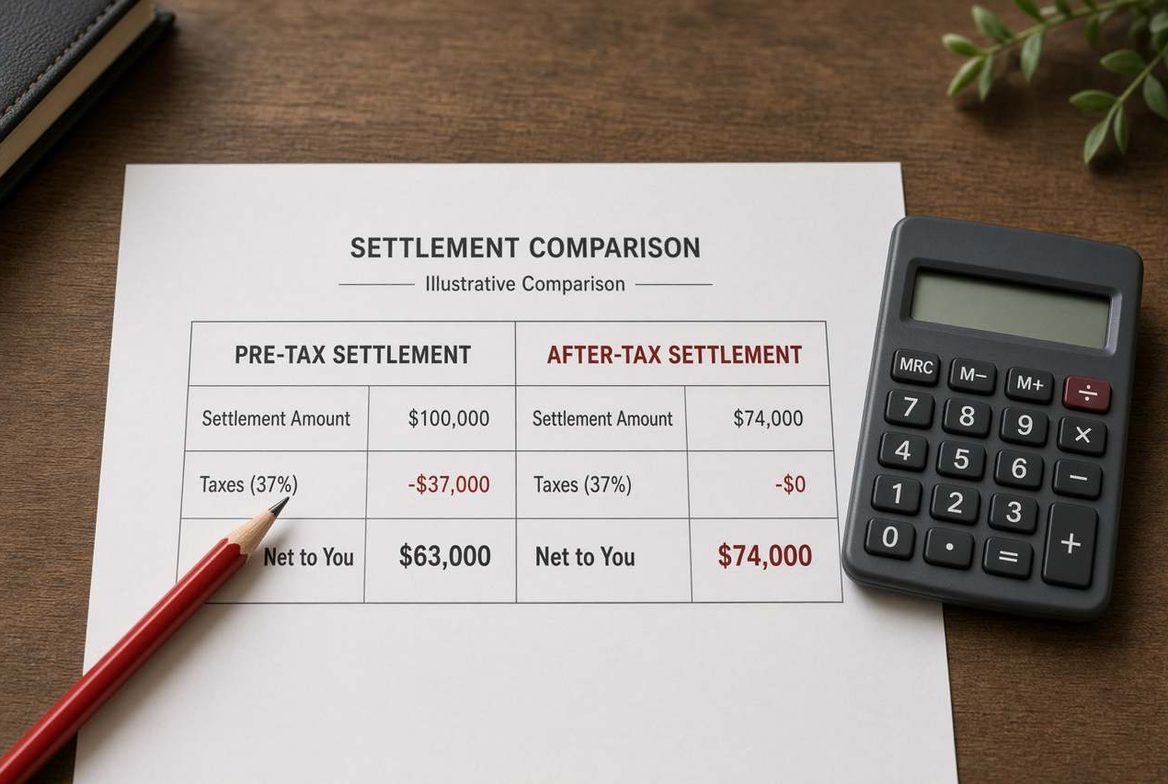
The house carries its whole built-in gain to the spouse who keeps it. Price the buyout on what each of you actually nets.
For a premarital home the appraisal as of the marriage is the most valuable document in the file, and the hardest to get later.
Leaving does not forfeit your equity, but it can set the children’s status quo. Decide it as strategy, with counsel, not as courtesy.
The injunction is an order of the court from the day of service. Agreed sales are done by stipulation, with proceeds in trust.
A quitclaim leaves you liable for the loan. The decree sets a refinance deadline, a fallback sale and an indemnity, and you hold them to it.
One sentence granting the occupying spouse the use of the property under the decree preserves the other spouse’s $250,000 exclusion. Silence loses it.
It's in my name, so it's mine.
Property acquired during the marriage is presumed marital regardless of title. The deed decides who signs; the statute decides who owns.
I owned it before, so my spouse gets nothing.
The house is yours; the increase in its value during the marriage is marital, measured at the decree.
Adding my spouse to the deed was just for the lender.
The courts have twice held that joint title presumes a gift and that the lender or tax reason only explains why. The house became marital.
The court will take the commission and the tax off the value.
Only if the house is actually being sold. A house awarded to one spouse is valued at gross equity.
The decree takes me off the mortgage.
The decree binds your spouse, not the bank. Only a refinance, an assumption with a release, or a payoff does.
We can split a house and a 401(k) of the same value evenly.
A residence with an exclusion, a pre-tax retirement account and a rental with recapture are three different currencies. The after-tax model converts them.

The house is worth three different amounts. The settlement is only fair if it is negotiated on the third.
Start with a confidential conversation: tell me about the property →
Title does not decide it. Property acquired by either spouse during the marriage is presumed marital regardless of whether title is held individually or jointly, and the presumption is rebutted only by showing the property came in by gift, inheritance, exchange for premarital or gifted property, after a decree of legal separation, or under a valid written agreement. A house bought during the marriage with marital income is marital whoever signed the deed. What you get is a just share of the equity, which is not necessarily half; the division is equitable, not equal.
The house itself stays your separate property, but the increase in its value during the marriage is marital: the statute treats a premarital asset as marital to the extent its present value exceeds its value at the date of marriage, and the Supreme Court measures that at the decree. The appraisal on the wedding date is therefore the most valuable document you own; without it the whole appreciation is argued from memory. Whether marital mortgage paydown is credited separately from the appreciation is not settled in the published cases, and it is argued case by case; where the mortgage was paid from marital income, expect a claim for it.
Probably. A gift from one spouse to the other is presumed marital, rebuttable only by clear and convincing evidence, and the Court of Appeals has twice held that placing title jointly presumes a gift, with the burden on the spouse who did it; a tax or lender motive merely explains why the gift was made. The house does not become half your spouse’s separate property; it becomes marital, and the court divides it equitably after considering, among other things, that you brought it to the marriage. Bring the closing file and the appraisal from the date you retitled.
Yes. The temporary-orders statute lets the court exclude a party from the family home on a showing that physical or emotional harm would otherwise result, and, more commonly, lets it award temporary use of the property to one spouse while the case is pending. Absent a protection order, nobody has to leave on the day the petition is filed, and leaving voluntarily does not forfeit your share of the equity. It can affect the children’s status quo, which is why the decision to move out is a strategy decision, not a housekeeping one.
Not without the other spouse’s consent or a court order. From service of the petition the automatic temporary injunction restrains both parties from transferring, encumbering, concealing or in any way disposing of marital property except in the usual course of business or for the necessities of life, requires notice of any proposed extraordinary expenditure, and is an order of the court. A refinance or a HELOC is an encumbrance. Agreed sales during the case happen all the time; they are done by stipulation, with the proceeds held in trust.
Only if the house is actually going to be sold. The Court of Appeals has held that deducting selling costs and capital-gains tax from a property awarded to one spouse was error absent evidence of an intent to sell, and has approved using gross equity where no sale was in prospect. The spouse who keeps the house keeps the whole built-in gain too, because the transfer between spouses carries over the basis; so the after-tax value of the house and the after-tax value of a brokerage account of the same size are not the same number, and the settlement is priced on the after-tax numbers.
The deed part is easy: federal law bars the lender from accelerating a residential mortgage because of a transfer under a divorce decree or settlement to the borrower’s spouse, and the servicer must deal with the ex-spouse as a successor in interest. The note is the problem: nothing in the decree releases the spouse who moves out, and the lender will report every late payment on both credit files. Only a refinance, an assumption with a release, or a payoff does that. On the tax: a former spouse who keeps an ownership interest while the other spouse lives in the house under the decree is treated as using it as a principal residence for the exclusion, so a deferred sale can preserve both exclusions if the decree grants the use in so many words.
The judge can order you to convey it, because the court acts on the person, and hold you in contempt if you do not, but the decree itself does not move title in another state; the deed does, and it is recorded there. Property held in an LLC is divided by dividing the membership interest, or by offset, subject to the operating agreement. A rental in a revocable trust either spouse created is reached through the settlor; an interest under someone else’s revocable trust or will is not property at all, while a vested remainder in an irrevocable trust is. A Section 1041 transfer of a rental is not an exchange: the recipient takes the carryover basis, the deferred gain and the depreciation history with it.
The next page in this chapter, the pages that belong with it, and the blog posts on the same question.
Spousal Lifetime Access Trusts move wealth out of the taxable estate, with the marriage as the access mechanism. In a divorce, the donor loses the access,…
Sept 17, 2026Dividing Retirement Accounts in a Colorado Divorce Without Blowing Them UpRetirement accounts are often the largest marital asset and the most commonly mishandled. QDROs, Colorado PERA, the time-rule formula, and survivor benefits each…
Sept 16, 2026Value Depends on Definition: The Standard-of-Value Fight in Colorado Business ValuationColorado leaves the standard of value in divorce undefined, and that choice, not the percentage debate, is what decides whether marketability and control…
A consultation is a working session, in person in Greenwood Village or by video: we go through the properties, the title history, the mortgages and the tax basis, and I tell you what the house is worth to you after tax and what I would do about it. Your note reaches my office directly; during business hours we call you back within the hour, run the conflicts check, and set the meeting.
Talk to us about your case.
303-507-5529One call. A real person picks up, hears you out, and tells you how we would handle what you are facing and what to do first. No phone tree, no sales pitch, no obligation. Your first conversation is with our intake paralegal, who will get you to Aaron fast.
Rather write? Send a short note and during business hours we call you back within the hour.