
Temporary orders.
Between filing and decree, somebody pays the mortgage, runs the company, and has the children on Tuesdays. Temporary orders govern that interval, and they create the status quo the final orders tend to resemble. The first number tends to stick. This is where it is set.
- 01Three things that decide the first year
- 02Rules that apply the moment the case begins
- 03One to two hours to set a year of your life
- 04Courts guard companies from litigation…
- 05Fee-leveling under C.R.S. § 14-10-119
- →What people ask first
Talk to us about your case.
303-507-5529One call. A real person picks up, hears you out, and tells you how we would handle what you are facing and what to do first. No phone tree, no sales pitch, no obligation. Your first conversation is with our intake paralegal, who will get you to Aaron fast.
Rather write? Send a short note and during business hours we call you back within the hour.
The interim architecture of the case.
Under C.R.S. § 14-10-108, either party may seek temporary orders for maintenance, child support, parenting time and decision-making, payment of specific debts, use of property — including exclusive use of the family home — and payment of attorney fees. The court’s charge, in the case law’s words, is to maintain the status quo pending final disposition: keep the family functioning while the real questions are decided. Temporary financial relief can also reach backward — Colorado appellate decisions have upheld temporary maintenance awarded retroactively, in some circumstances to dates before the petition was filed.
Between filing and decree, often a year or more, temporary orders govern the money, the home, the children and the business. The court’s charge is to maintain the status quo pending final disposition, and the status quo it sets is the one the final orders tend to resemble.

Three things that decide the first year.
From service, neither spouse may transfer, encumber, conceal or dispose of marital assets outside the usual course of business or the necessities of life, disturb the other’s peace, or remove the children from Colorado without consent or an order. For owners, the “usual course of business” exception is the line to know.
Most districts hear temporary orders in one to two hours split between the parties, sometimes on offers of proof, usually after mediation. Consequential decisions get made on a fraction of trial evidence, so the sworn financial disclosures and the affidavit do most of the persuading.
Under § 14-10-119 the court may order one spouse to pay the other’s attorney fees and expert costs prospectively, so both sides litigate on something like equal footing. If you are the moneyed spouse, it belongs in your budget; if you are not, in your first motion.
Rules that apply the moment the case begins.
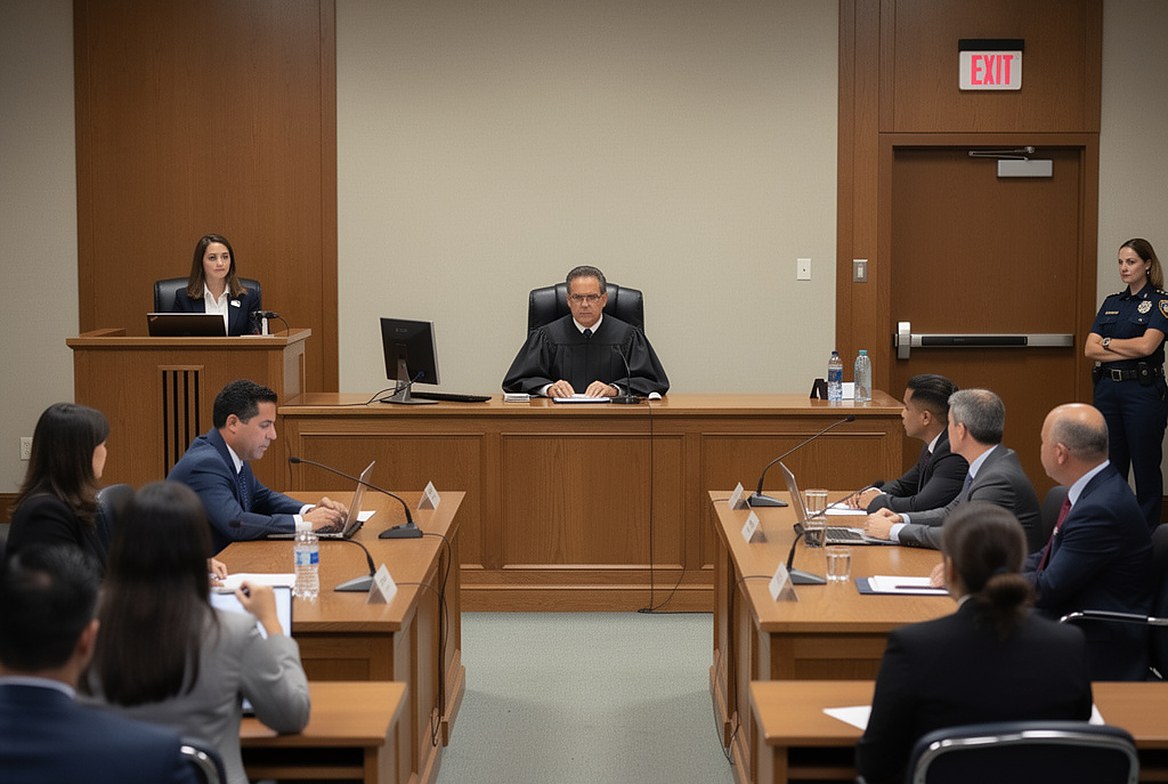
From service of the petition, an automatic temporary injunction binds both spouses in every Colorado dissolution: neither may transfer, encumber, conceal, or dispose of marital assets except in the usual course of business or for the necessities of life; neither may disturb the peace of the other; and neither may remove minor children from Colorado without consent or court order. For owners, the “usual course of business” exception is the operating room — ordinary operations continue, with an accounting for extraordinary expenditures. Documenting early what “usual” means for your company keeps payroll runs and equipment purchases from becoming motions practice.
One to two hours to set a year of your life.
Most districts set temporary-orders hearings at one to two hours split between the parties — sometimes on offers of proof rather than full testimony, frequently with mediation required first, and only after the parties certify they conferred in good faith. Consequential decisions get made on a fraction of trial evidence, which rewards preparation ruthlessly: the sworn financial disclosures and affidavit do most of the persuading, and the hearing confirms them. I prepare temporary orders as the first trial of the case — triaged issues, clean exhibits, numbers the court can adopt verbatim.
Courts guard companies from litigation overreach.

Colorado authority permits enjoining third parties or business operations only in extraordinary circumstances — mere apprehension that a spouse might dissipate assets is not enough, and ex parte orders that strangle a company’s affairs have been dissolved on review. If an overbroad order lands on your business, the response must be immediate; if you believe restraint is genuinely needed, it must be sought with evidence rather than anxiety. Where economic control is the problem — canceled cards, closed accounts, restricted information — courts have answered it with retroactive support and fee awards.
Fee-leveling under C.R.S. § 14-10-119.
Colorado courts may order one spouse to pay the other’s attorney fees and expert costs — prospectively — so both sides litigate on something like equal footing. Appellate decisions have upheld substantial interim awards for fees and business-appraisal costs where one spouse controls the wealth. If you are the moneyed spouse, this belongs in your budget; if you are not, it belongs in your first motion. Either way, temporary orders do not prejudice the final result: by statute the court starts fresh at permanent orders — though the practical status quo temporary orders create has gravity, and positions should be chosen with the end of the case in mind.
What I tell every client before temporary orders.
Five things, before the first hearing.

- Prepare them as if they were permanent.
They tend to be. The judge at permanent orders has watched the temporary status quo run for a year.
- The sworn financial statement is Exhibit 1.
Complete it as testimony, because it is. Understate income and you lose credibility; overstate expenses and you lose the argument.
- Get the children’s schedule in writing now.
The interim schedule becomes the pattern. Ask for the schedule you want at the end, and live it.
- Pay what is ordered, fight the amount.
Never the payment. Arrears and contempt follow the parent who decides for themselves.
- Temporary maintenance is a factor later.
The amount and duration paid under the temporary order count in the permanent award. The first number matters twice.
Divorces are decided at the end and shaped at the beginning. The first orders tend to become the last ones.
Start with a confidential conversation: tell me what is at stake →
The questions people ask before the first hearing.
What can temporary orders cover?
Under the temporary-orders statute, either party may seek temporary maintenance, child support, parenting time and decision-making, payment of specific debts, use of property including exclusive use of the family home, and payment of attorney fees. The court’s charge is to maintain the status quo pending final disposition: keep the family functioning while the real questions are decided.
How long does a temporary orders hearing take?
Most districts set one to two hours split between the parties, sometimes on offers of proof rather than full testimony, frequently with mediation required first and a certification that the parties conferred in good faith. Consequential decisions get made on a fraction of trial evidence, which rewards preparation: the sworn financial disclosures and the affidavit do most of the persuading.
Do temporary orders really become the permanent ones?
They tend to. The judge at permanent orders has watched the temporary status quo run for a year: the interim parenting schedule becomes the pattern, and the amount and duration of temporary maintenance paid is a factor in the permanent award. Prepare them as if they were permanent, ask for the schedule you want at the end, and live it.
What am I not allowed to do once the case is filed?
From service of the petition an automatic temporary injunction binds both spouses: neither may transfer, encumber, conceal or dispose of marital assets except in the usual course of business or for the necessities of life; neither may disturb the peace of the other; and neither may remove the minor children from Colorado without consent or a court order. For owners, the usual-course-of-business exception is the line to know.
Can the court shut down or restrain my business while the case is pending?
Only in extraordinary circumstances. Colorado authority permits enjoining third parties or business operations only on a real showing; mere apprehension that a spouse might dissipate assets is not enough, and ex parte orders that strangled a company’s affairs have been dissolved on review. If an overbroad order lands on your business the response must be immediate, and if restraint is genuinely needed it must be sought with evidence.
My spouse controls the money. Can I get fees at the start?
Yes. The court may order one spouse to pay the other’s attorney fees and expert costs prospectively, so both sides litigate on something like equal footing, and appellate decisions have upheld substantial interim awards for fees and business-appraisal costs where one spouse controls the wealth. If you are the moneyed spouse it belongs in your budget; if you are not, it belongs in your first motion.
What if I think the temporary support amount is wrong?
Pay what is ordered and fight the amount. Never the payment: arrears and contempt follow the spouse who decides for themselves, and the credibility lost is worth more than the money. The amount is challenged by motion, with the sworn financial statement as the evidence, and it is revisited at permanent orders.
Who stays in the house while the case is pending?
The court can award one spouse temporary use of the family home, and may exclude a spouse from it on a showing that physical or emotional harm would otherwise result. Nobody has to move out on the day the petition is filed, and moving out does not forfeit a share of the equity, but it can set the children’s status quo. Do not move out without a written interim schedule.
Where to go next.
The next page in this chapter, the pages that belong with it, and the blog posts on the same question.
From the blog, on this topic
Between filing and decree, somebody pays the mortgage, runs the company, and funds the case. Temporary orders govern that interval, and for business owners they…
Sept 17, 2026Can You File for Divorce in Another State If You Live in Colorado?Where a divorce can be filed, where the money can be decided, and where the children's case belongs are three different questions. Colorado's 91-day domicile…
Sept 16, 2026Colorado's New Child Support Law: What Changed on March 1, 2026Colorado rebuilt child support on March 1, 2026: a schedule that now runs to $40,000 a month, a credit for every overnight in place of the 93-night cliff, a…
The first number tends to stick. Let’s make sure it is the right one.
A consultation is a working session, in person in Greenwood Village or by video: we go through your situation and I tell you what I would do. Your note reaches my office directly; during business hours we call you back within the hour, run the conflicts check, and set the meeting.
Talk to us about your case.
303-507-5529One call. A real person picks up, hears you out, and tells you how we would handle what you are facing and what to do first. No phone tree, no sales pitch, no obligation. Your first conversation is with our intake paralegal, who will get you to Aaron fast.
Rather write? Send a short note and during business hours we call you back within the hour.