Four situations I see.
Illustrations, not case results. Every case turns on its own facts.
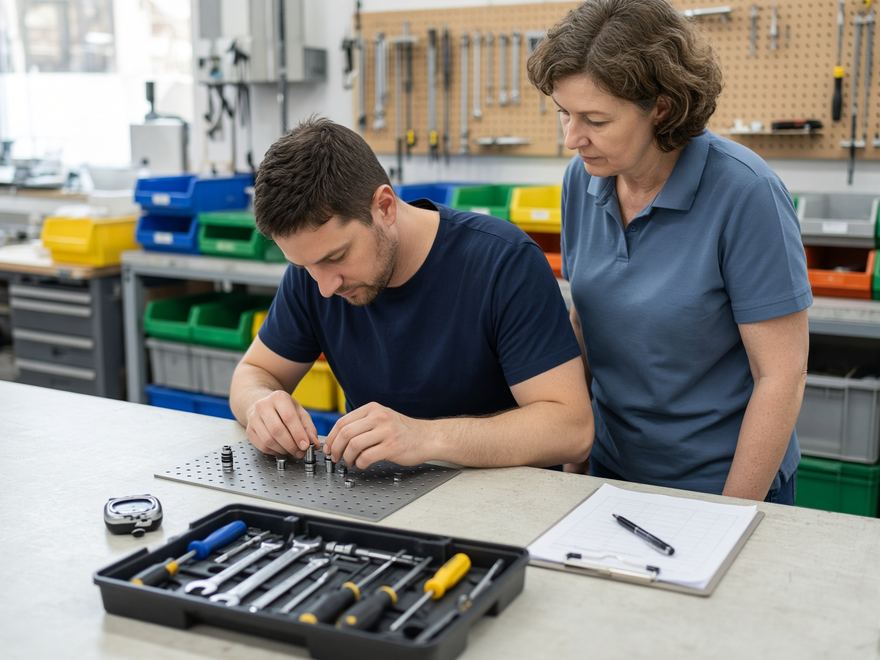
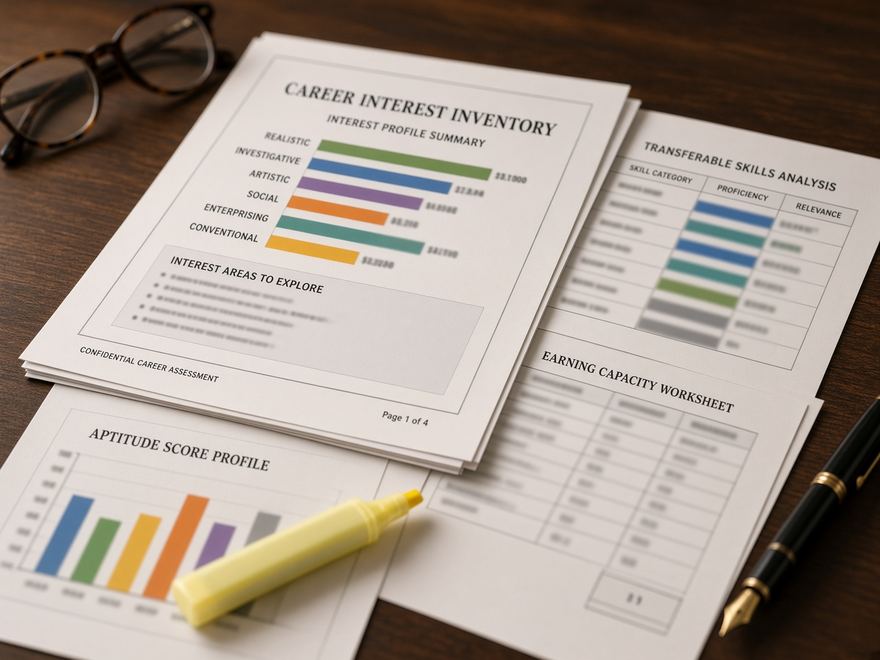
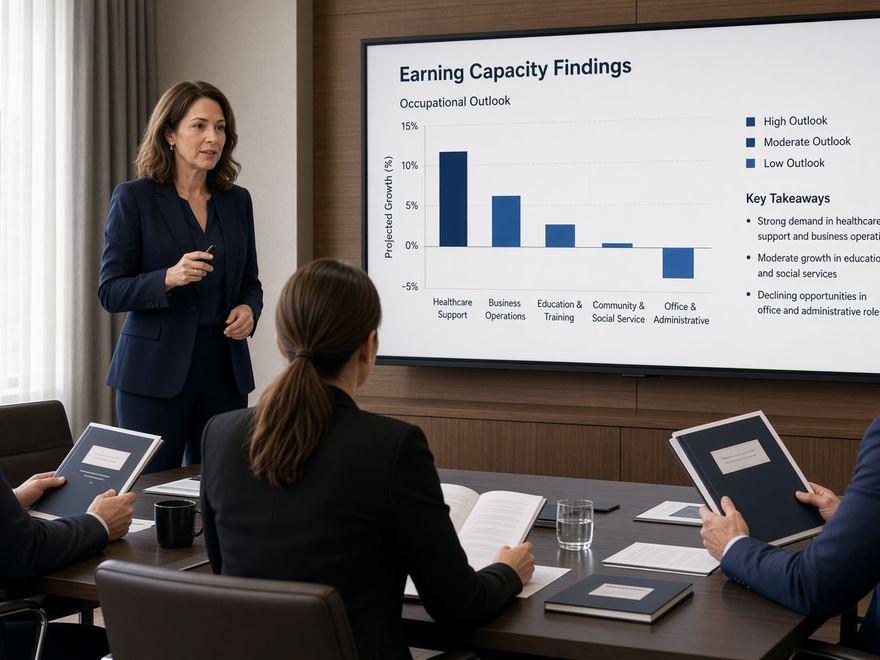
The unused license. A spouse who left nursing twelve years ago to raise the children asks for maintenance on a $0 income. The vocational evaluation shows the license can be reactivated in months and the Denver market pays in the nineties. The case becomes potential income and a step-down, not a decade of full support.
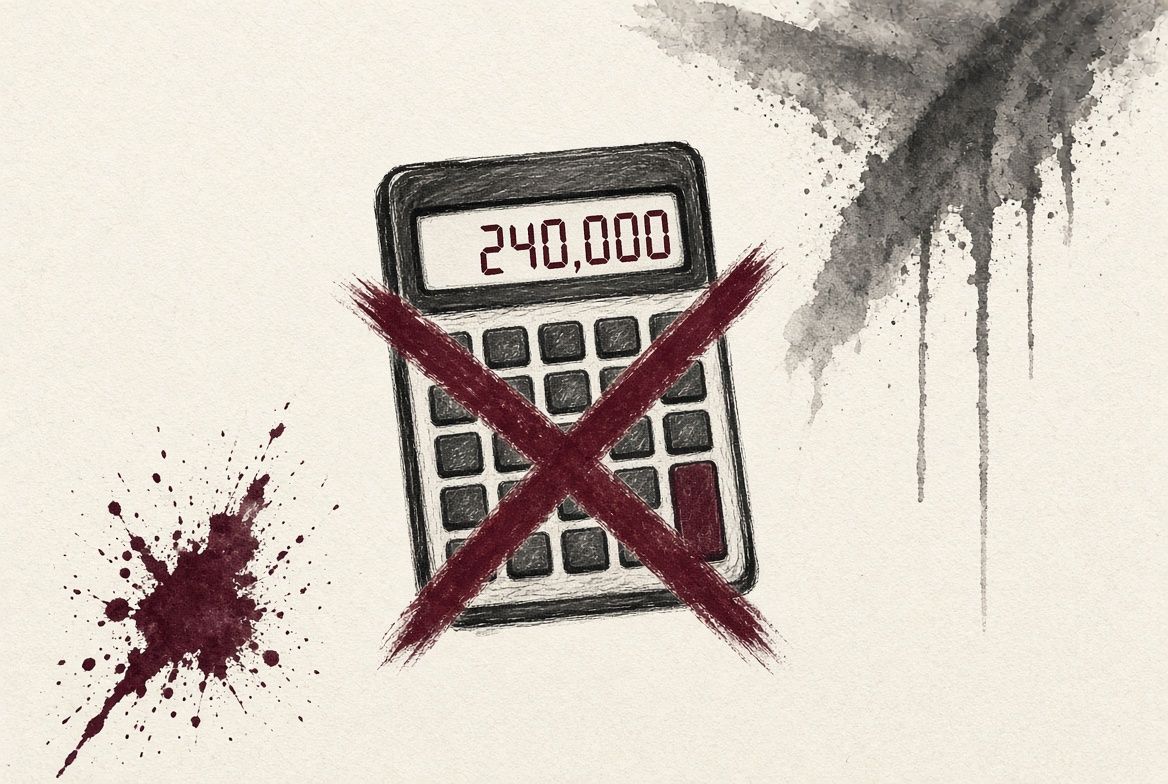
The K-1 that says one thing. An owner’s K-1 shows $600,000, but the company retained most of it for a build-out. Combined income is over $240,000, so there is no formula. The fight is over what his income really is, and whether the same dollars are being counted once in the valuation and again in maintenance.
Twenty-two years and a retirement date. A long marriage where the other side asks for indefinite maintenance. The record I build is a fixed term with an end point at full retirement age, when the good-faith presumption starts, and property in place of part of the monthly number.
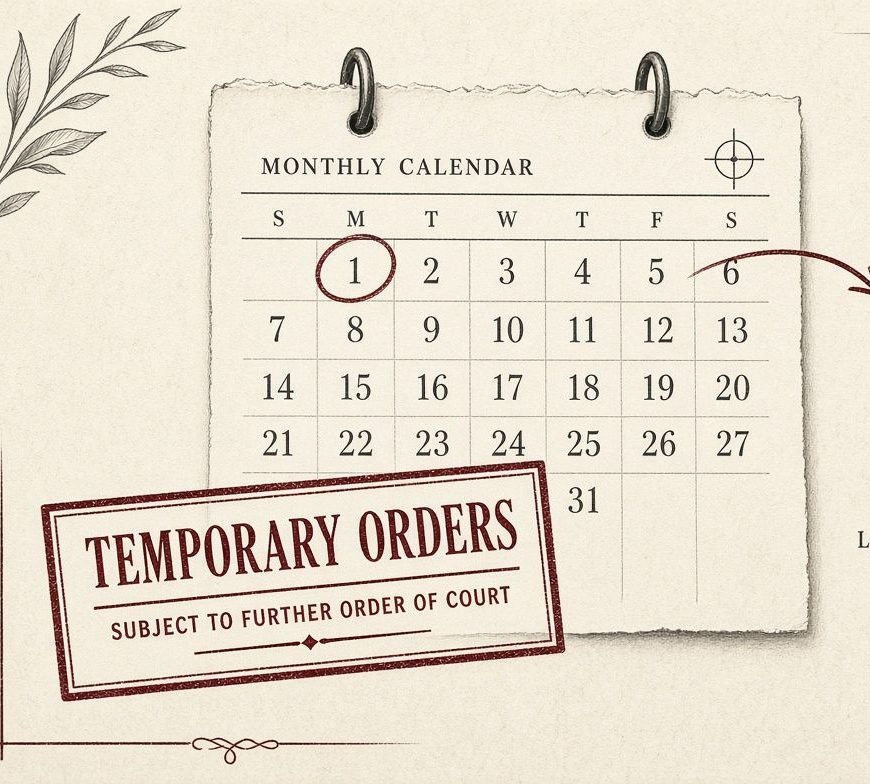
The new household. An ex has lived with a partner for two years who pays the mortgage. Cohabitation alone does not end maintenance, but the shared bills go straight to need. The motion to modify is filed the month the facts are confirmed, because it reaches only payments due after filing.
Colorado courts do impute income.
Support cases where the Court of Appeals upheld a finding of voluntary unemployment or underemployment and a calculation on potential income:
- A licensed attorney who put his license on inactive status and worked seasonally at an orchard. Income imputed at his capacity as a mechanic. In re Marriage of Elmer, 936 P.2d 617 (Colo. App. 1997).
- A lawyer who lost his firm job and took up cattle ranching that earned nothing. Income imputed at his prior legal earnings. In re Marriage of Bregar, 952 P.2d 783 (Colo. App. 1997).
- A mother with bachelor’s and master’s degrees who substitute-taught part time while a full-time certificate was within reach. Income imputed at a full-time teacher’s pay. In re Marriage of Zisch, 967 P.2d 199 (Colo. App. 1998).
- An executive who declined positions that required travel and had not pursued consulting. Income imputed at his prior earnings. In re Marriage of Yates, 148 P.3d 304 (Colo. App. 2006).
The maintenance statute uses the same potential-income rule (C.R.S. § 14-10-114(8)(c)(IV)), with the same exceptions: no potential income for a spouse who is physically or mentally incapacitated or caring for the parties’ child under thirty months, and a good-faith career choice or a genuine degree program can defeat it (C.R.S. § 14-10-114(8)(c)(V)). The lesson from each case is the same: the finding was upheld because the record showed what the person could do and what it paid.
Settlement structures that end maintenance sooner.
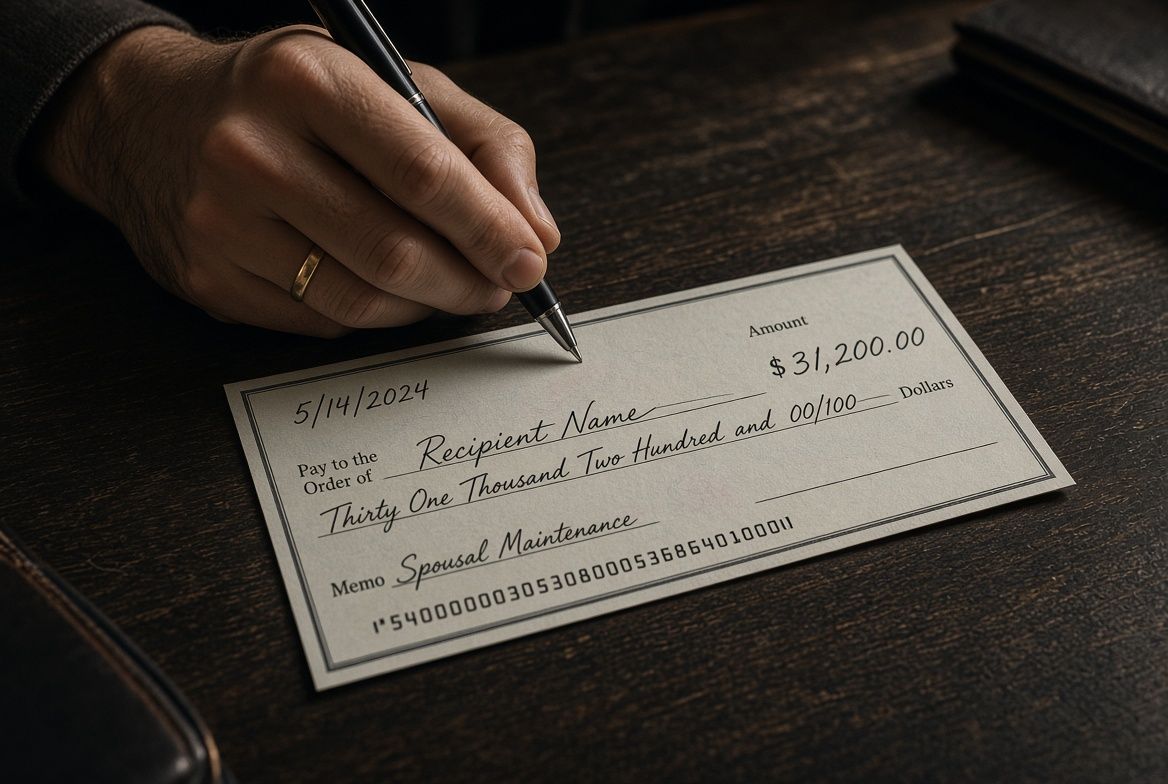
A shorter fixed term. Step-down payments. A lump sum in place of monthly payments. More property in exchange for less maintenance, or none. Each one trades something, and the right one depends on cash, taxes and risk on both sides.
Then the drafting. By statute, unless the parties agree otherwise in writing or the decree says otherwise, maintenance ends at the death of either party, the end of the term, the recipient’s remarriage or civil union, or a court order (C.R.S. § 14-10-122(2)(a)). Words like “contractual and non-modifiable” change what can happen later, and courts read them closely. I write termination terms with the end in mind, not as boilerplate.
How I prepare a maintenance case.
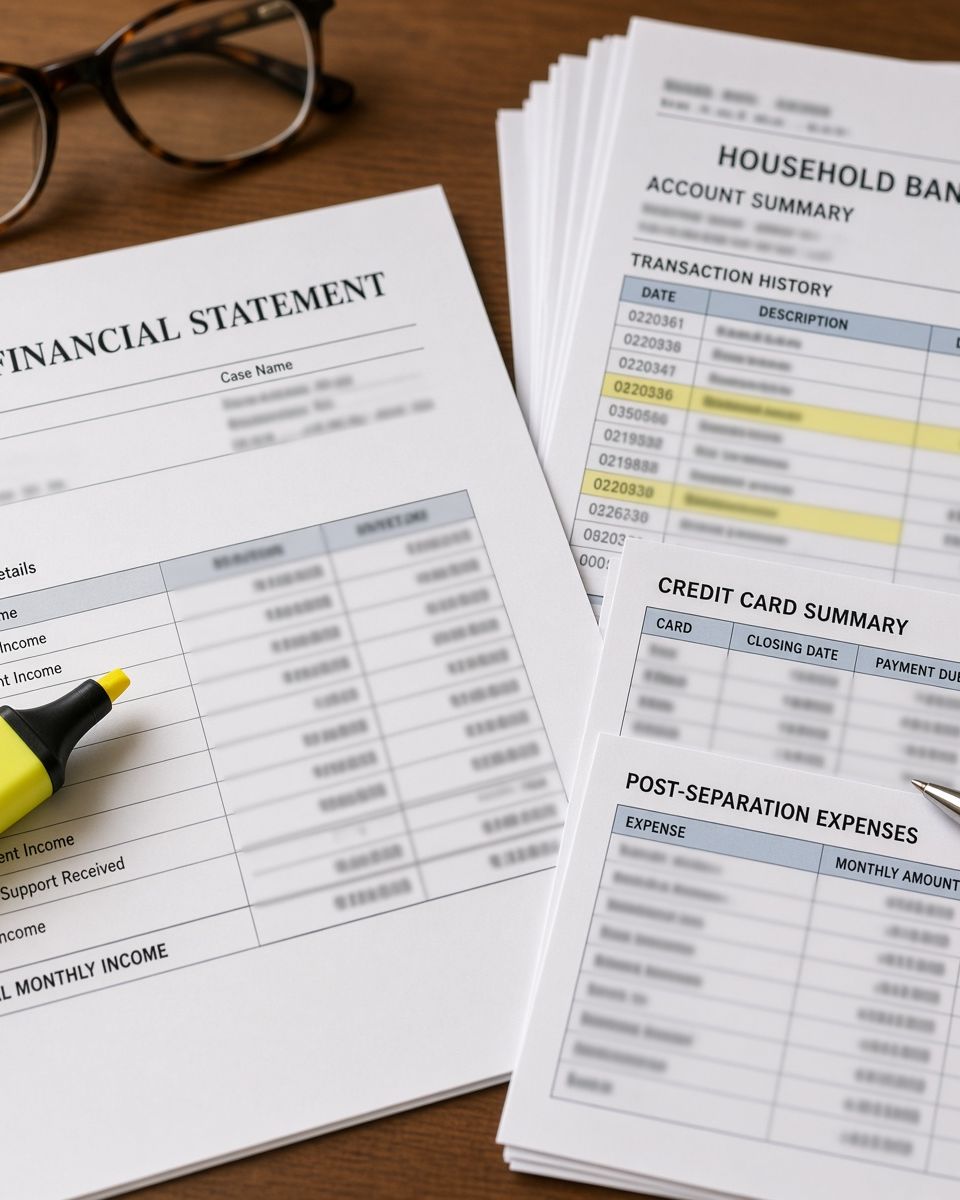
I treat it like a damages case. A lifestyle analysis of what the marriage actually spent. A vocational evaluation of what the other spouse can earn. The full income picture on both sides, including business income, so the same dollars aren’t counted once in a valuation and again in maintenance. A property analysis of what the other spouse walks away with. Then I make the other side prove need, amount and term with evidence, instead of treating a worksheet as the answer.
The court has to make specific findings on the statutory factors, including reasonable need as established during the marriage, to support both the amount and the term (C.R.S. § 14-10-114(3)(e)). An award entered without them gets reversed on appeal (In re Marriage of Wright, 2020 COA 11). A record built for those findings is how a maintenance case is won, and how it is kept.