
Prenuptial agreements in Colorado.
A prenup is only as good as the day it has to work. In Colorado that means full disclosure, access to independent counsel, time to read it, and terms that still look fair when tested. Drafted with the trust and the estate plan in the same room, it holds. Drafted in a hurry, it becomes the first fight of the divorce.
- 01Three things that decide the agreement
- 02Firm, without poisoning an engagement
- 03Not just the wealthy — the complicated
- 04Coordinated with the rest of your life
- →What people ask first
- →Business Owner Divorce
- →Postnuptial Agreements
Talk to us about your case.
303-507-5529One call. A real person picks up, hears you out, and tells you how we would handle what you are facing and what to do first. No phone tree, no sales pitch, no obligation. Your first conversation is with our intake paralegal, who will get you to Aaron fast.
Rather write? Send a short note and during business hours we call you back within the hour.
The process is the protection.
Colorado governs marital agreements under the Colorado Marital Agreements Act, C.R.S. § 14-2-301 et seq. The recurring themes in enforceability are voluntariness, adequate financial disclosure, and meaningful access to independent counsel — including specific waiver language where a party proceeds without their own lawyer.
Which produces the principle I build every agreement around: the disclosure schedule is the prenup. Courts test the process that produced the signature — how far before the wedding it was signed, how complete the financial disclosure was, whether both sides had real counsel. For clients with business interests or trust positions, I prepare valuation-grade disclosure, because an agreement protecting a company is only as strong as the honesty of the numbers behind it.
Colorado also draws firm limits: a marital agreement cannot predetermine child support in a way that keeps the court from protecting the child's interests, and maintenance provisions may be reviewed for unconscionability at enforcement. A well-drafted agreement respects those limits instead of pretending they don't exist.
A prenuptial agreement is not a bet against the marriage. It is a plan two people make together while they still agree, and in Colorado its strength is decided by the process on the day it is signed, not by the arguments on the day it is tested.
Boulder prenups usually arrive with a cap table or a family trust attached. The agreement is drafted under the same Colorado statute wherever you live; the court that would one day test it in Boulder County is described on the Boulder divorce page.

Three things that decide the agreement.
Business owners whose company will grow, trust beneficiaries whose family wealth predates the relationship, executives with equity that vests over years, second marriages with children and estates on both sides. The default rules produce outcomes neither spouse would choose; the agreement replaces them with terms you both chose.
A serious prenup coordinates with the estate plan, the entity structures and any trust instruments in the picture, and anticipates how income, appreciation and transfers will actually be characterized, not just who keeps the house.
Months before the wedding, never wedding week; timing pressure is one of the first things a court examines when an agreement is challenged. Early also means calmer: a planning conversation, not an ultimatum.
Firm, without poisoning an engagement.
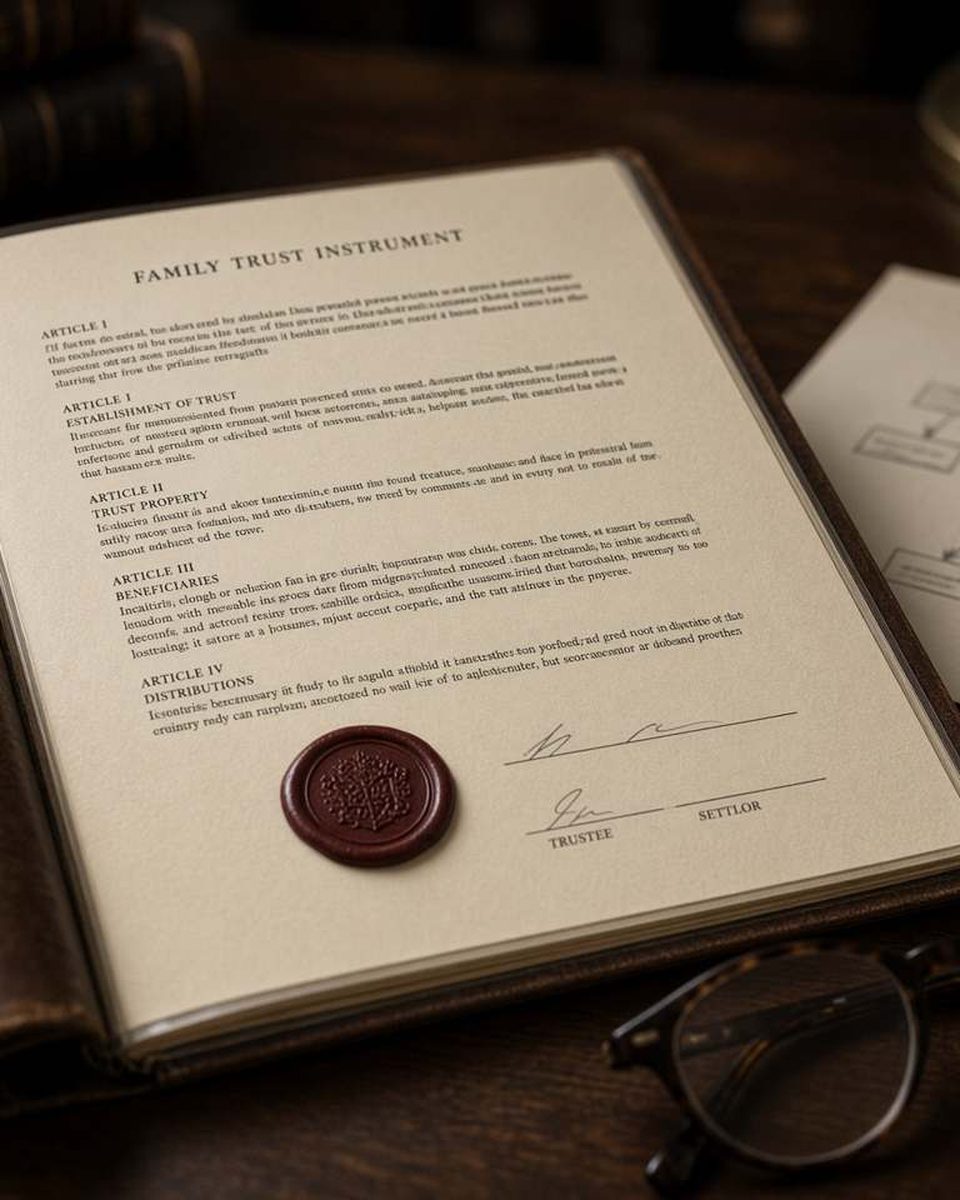
I negotiate these agreements firmly but in a way designed not to poison an engagement. A Georgetown tax LL.M. is why wealth advisors, estate planners and tax CPAs send their clients here for the high-net-worth prenup: the agreement, the trust and the tax plan are drafted in the same room.
Not just the wealthy — the complicated.

Business owners whose company will grow during the marriage. Trust beneficiaries whose family wealth predates the relationship. Executives with equity that vests over years. Second marriages with children and estates on both sides. In each of these, the default rules of Colorado divorce law produce outcomes neither spouse would have chosen — a prenup replaces those defaults with terms you both actually agreed to.
My objective in drafting is the one that also makes agreements enforceable: fair, durable, and honest — not one-sided. A prenup that strips one spouse of everything is a prenup a court will be looking for reasons to break.
Coordinated with the rest of your life.
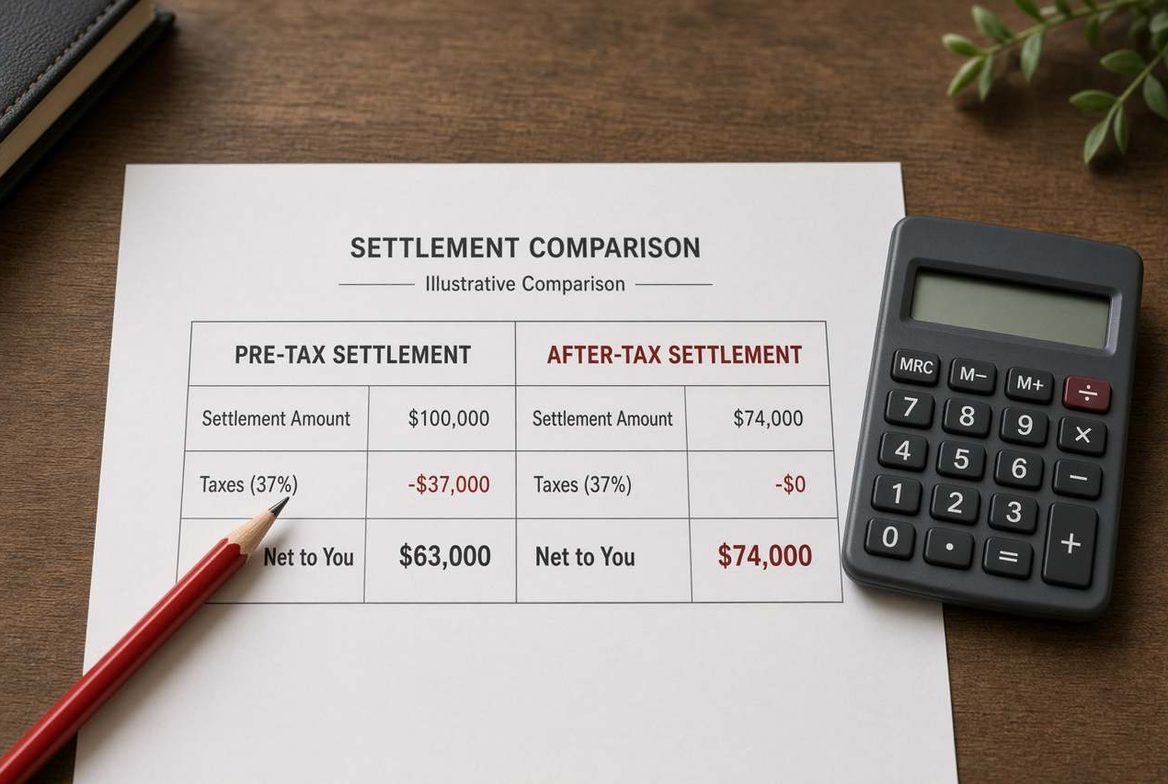
A serious prenup doesn't live alone — it coordinates with your estate plan, your entity structures, and any trust instruments in the picture. My tax background (LL.M., Georgetown) means the agreement anticipates how income, appreciation, and transfers will actually be characterized, not just who keeps the house.
And process matters emotionally, too: I negotiate these agreements firmly but in a way designed not to poison an engagement. Done right, the conversation a prenup forces — full financial honesty before the wedding — is one many couples are quietly glad they had.
What I tell every client about a prenup.
Five things, months before the wedding.

- Start early.
An agreement signed the week of the wedding invites a challenge. Months of lead time, and a calendar showing it, are the best evidence of voluntariness.
- Disclose everything, in writing.
Assets, debts, income, expectancies. The schedule attached to the agreement is what makes the waivers stick.
- Both sides get their own lawyer.
Independent counsel is the difference between an agreement that holds and one that is litigated.
- Draft the business and its growth.
For a founder, the agreement defines the company and its appreciation as separate and sets a valuation formula. That is the whole point.
- Coordinate with the estate plan.
A prenup and a trust written by lawyers who never spoke will contradict each other at the worst moment. Draft them together.
An agreement drafted to hold up is cheaper than the divorce it prevents. Start months before the wedding, never wedding week.
Start with a confidential conversation: tell me what is at stake →
What people ask before raising it with their fiancé(e).
When should we start?
Months before the wedding — never wedding week. Timing pressure is one of the first things courts examine when an agreement is challenged. Early also means calmer: it’s a planning conversation, not an ultimatum.
Can it protect a business that hasn't grown yet?
Yes — that’s one of its most valuable uses. The agreement can define how future appreciation, income, and even a future sale of the company will be characterized, which is precisely what Colorado’s default rules handle worst for owners.
Will it actually hold up?
A Colorado prenup built on full disclosure, independent counsel, unhurried timing, and terms a court won’t find unconscionable is a strong agreement. The ones that fail are almost always broken by their own process — rushed signings, hidden assets, one-sided terms. That’s why I engineer the process as carefully as the terms.
Where to go next.
The next page in this chapter, the pages that belong with it, and the blog posts on the same question.
- Divorce in ColoradoChapter IVHow the process actually works
- Financial Disclosures (Rule 16.2)Chapter IVThe 42-day rule, the Sworn Financial Statement, what to gather, the official forms
- Temporary OrdersChapter IVThe first ninety days, governed
- Emergency & Protection OrdersChapter IVThe automatic injunction, and urgent relief
From the blog, on this topic
A marital agreement and an estate plan written by different lawyers who never spoke will eventually contradict each other, at a divorce or at a death, the two…
Sept 11, 2026Separate Property Is a Filing Habit, Not a Legal StatusWhat you owned before the marriage, inherited, or were given can stay yours. Most claims to it are lost through ordinary household habits rather than through…
Sept 10, 2026Marital vs. Separate Property in Colorado: The Appreciation TrapColorado protects the assets you brought into the marriage, but not their growth. The increase in value of separate property during the marriage is marital, and…
A prenup is tested on its worst day. Let’s draft it for that day.
A consultation is a working session, in person in Greenwood Village or by video: we go through your situation and I tell you what I would do. Your note reaches my office directly; during business hours we call you back within the hour, run the conflicts check, and set the meeting.
Talk to us about your case.
303-507-5529One call. A real person picks up, hears you out, and tells you how we would handle what you are facing and what to do first. No phone tree, no sales pitch, no obligation. Your first conversation is with our intake paralegal, who will get you to Aaron fast.
Rather write? Send a short note and during business hours we call you back within the hour.