
Divorce for business owners.
The company usually stays with the operator. What is divided is its value, and what is argued is its owner’s income. Keeping the business running, and keeping the same dollars from being counted twice, is the whole job.
- 01Three things that decide these cases
- 02How the case is run
- 03The business can't stop for the divorce
- 04I've sat in your chair
- →What people ask first
- →Business Valuation
- →High-Asset Divorce
Talk to us about your case.
303-507-5529One call. A real person picks up, hears you out, and tells you how we would handle what you are facing and what to do first. No phone tree, no sales pitch, no obligation. Your first conversation is with our intake paralegal, who will get you to Aaron fast.
Rather write? Send a short note and during business hours we call you back within the hour.
One company, three roles in the case.
In a business owner's divorce, the company appears three times: as an asset to be valued and divided, as the income stream that drives support, and as the owner's livelihood going forward. Most disputes come from treating those three roles as if they were independent. They aren't.
The sophisticated version of this problem: the appraiser's number for the company's value and the court's number for the owner's income are built from the same cash flows. Count retained earnings toward value and again toward income, and the owner pays twice for the same dollars — the double-dip. Normalizing owner compensation, perks, and K-1 income so the two numbers reconcile instead of stacking is where these cases are actually won.
The company is usually the largest asset in the case, the income that funds everything, and someone’s life’s work, all three at once. The appraiser’s number for value and the court’s number for income are built from the same cash flows, and counting retained earnings toward both is a double dip I do not allow in either direction.
A Boulder company is divided under the same Colorado law in a different courthouse. How the 20th Judicial District handles disclosures, valuation deadlines and hearing time is on the Boulder divorce page.

Three things that decide these cases.
Temporary orders set the trajectory: who controls accounts, how distributions flow, what gets disclosed to whom. Handled carelessly, the case itself damages the company. I manage discovery scope, protect competitively sensitive information, and account for buy-sell and operating-agreement transfer restrictions from the start.
Courts avoid leaving former spouses as co-owners of an operating business. The marital portion of the company’s value is divided through an offset against other assets or a buyout over time. The fight is about the number and the structure, not about adding your ex to the cap table.
I have founded, built and sold companies and owned commercial and residential real estate through entities. When we discuss cash flow, working capital, or why your balance sheet does not look like your lifestyle, you will not be translating for your lawyer.
How the case is run.

With a Georgetown Tax LL.M. and thirty years of trial work alongside forensic accountants and valuation experts, I read your financials the way you do, as an operator, and then present them the way a court needs to hear them. That means a valuation we can defend, an income figure built from the real cash flows, a settlement structure the company can actually fund, and a record ready for trial if the other side will not be reasonable.
The business can't stop for the divorce.
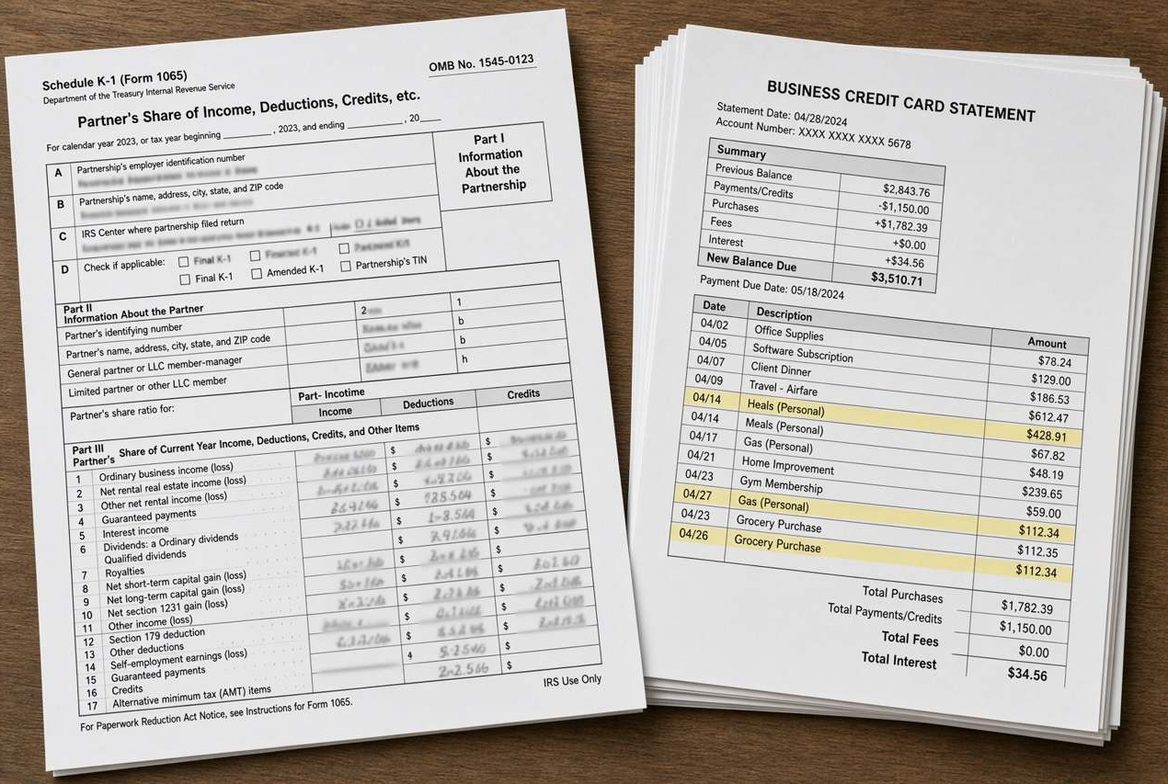
Temporary orders set the trajectory of the whole case — who controls accounts, how distributions flow, what gets disclosed to whom. Handled carelessly, the case itself damages the company: spooked partners, nervous key employees, lenders asking questions. I manage discovery scope, protect competitively sensitive information, and account for buy-sell agreements and operating-agreement transfer restrictions from the start.
Courts usually avoid leaving former spouses as co-owners of an operating business. The realistic outcomes are an offset against other assets or a structured buyout — and the difference between a good structure and a bad one is measured in liquidity, taxes, and years of payments.
I've sat in your chair.

I've founded, built, and sold companies, and I've owned commercial and residential real estate through entities. When we discuss your cash flow, your working capital, or why your balance sheet doesn't look like your lifestyle, you won't be translating for your lawyer. With a Georgetown Tax LL.M. and thirty-plus years of trial work alongside forensic accountants and valuation experts, I read your financials the way you do — as an operator — and then present them the way a court needs to hear them.
What I tell every business owner in the first week.
Five things, in the order they come up.

- Run the company normally.
The automatic injunction allows the ordinary course. A new entity, an unusual distribution or a sale during the case is evidence against you.
- Your K-1 is not your income.
Support and maintenance run on normalized income: distributions, retained earnings, perks and a peak year are all argued. Get that number right before anyone runs a calculator.
- Temporary orders set the trajectory.
Who runs the business, who pays what, what the status quo looks like for a year. Handle them as if they were permanent.
- Value it once, count it once.
The valuation and the income for support come from the same cash flow. Nobody reconciles them unless your lawyer does.
- Disclose everything.
An omitted asset reopens the case for five years. Credibility is the one asset you cannot replace.
The company is the asset, the income and the livelihood at once. The case has to resolve without breaking it.
Start with a confidential conversation: tell me what is at stake →
What owners ask before they hire anyone.
Does my spouse get half of my company?
Almost never in kind. The marital portion of the company’s value gets divided — typically through an offset against other assets or a buyout over time. The fight is about the number and the structure, not about adding your ex to the cap table.
Will my partners or employees get pulled into this?
Company records will be discoverable, and that’s manageable. I work to keep discovery proportionate, protect sensitive competitive information, and keep the dispute between the spouses — not inside your boardroom.
I started the company before we married. Is it safe?
The pre-marital value may remain your separate property if it can be proven and traced, but the appreciation during the marriage is generally marital — and you carry the burden of proving the starting value. That’s an evidence problem, and it’s solvable, especially if we start early.
Where to go next.
The next page in this chapter, the pages that belong with it, and the blog posts on the same question.
From the blog, on this topic
Between filing and decree, somebody pays the mortgage, runs the company, and funds the case. Temporary orders govern that interval, and for business owners they…
Sept 2, 2026The Double-Dip: How One Company Gets Counted Twice in a Colorado DivorceThe appraiser's value for your company and the court's number for your income are built from the same cash flows. When nobody reconciles them, you pay for the…
Sept 2, 2026A Balance Sheet Made of Promises: Executive Compensation in DivorceBonuses not yet paid, awards not yet vested, deferred comp not yet distributable: property to divide, or income to share? For executives, the grant documents…
You built the company. Let’s make sure you still own it after the decree.
A consultation is a working session, in person in Greenwood Village or by video: we go through your situation and I tell you what I would do. Your note reaches my office directly; during business hours we call you back within the hour, run the conflicts check, and set the meeting.
Talk to us about your case.
303-507-5529One call. A real person picks up, hears you out, and tells you how we would handle what you are facing and what to do first. No phone tree, no sales pitch, no obligation. Your first conversation is with our intake paralegal, who will get you to Aaron fast.
Rather write? Send a short note and during business hours we call you back within the hour.