C.R.S. § 14-10-114(8)(c)(IV)
If they could be earning, the court can count it.
The maintenance statute (C.R.S. § 14-10-114(8)(c)(IV)) says that if a party is voluntarily unemployed or underemployed, maintenance is calculated on a determination of potential income. The child support statute (§ 14-10-115(5)(b)) has the same rule, so one evaluation serves both. The exceptions are narrow: no potential income for a spouse who is physically or mentally incapacitated, who is caring for the parties’ child under thirty months, or who is incarcerated for a year or more. And a spouse is not underemployed if the job is temporary and reasonably expected to lead to higher income, is a good-faith career choice, or is part of a good-faith educational program that will raise their income (C.R.S. § 14-10-114(8)(c)(V)).
What the finding needs
- Evidence that the unemployment or underemployment is voluntary, not a medical or market fact
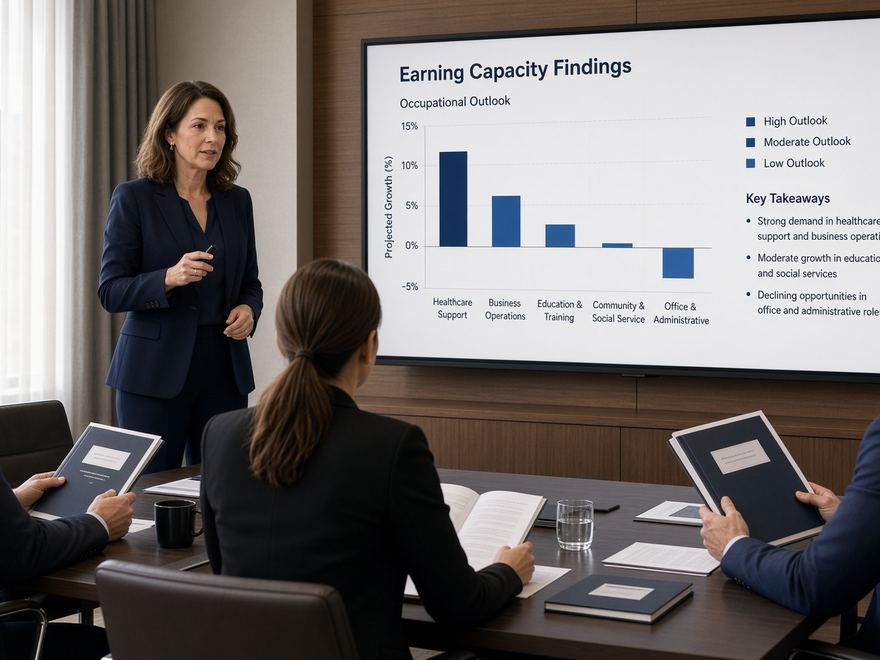
- Evidence of what the spouse can do, and what that pays where they live
- Findings the court actually makes, on the record, so the award survives an appeal